
Science Corner 76 | Expert Interview: Dr. Robin Berzin: More Data Isn't Making You Healthier

In this Science Corner interview, Jordan sits down with Dr. Robin Berzin, physician, founder, and CEO of Parsley Health, to talk through her path from conventional medicine to building her functional medicine practice, her daily supplement stack, and the philosophy reshaping what she thinks a doctor's job should be in the age of AI and wearables. While the full interview can be seen in the video, what follows are a few of the highlights.
Dr. Robin Berzin and her team have treated more than 50,000 patients at Parsley Health, the functional medicine practice she built nearly a decade before "longevity" became a marketing word. Her diagnosis of what's failing people in healthcare right now has nothing to do with a missing drug or a missing supplement. It's that we have more health data than any generation before us, and most of us have no idea what to do with it.
Why She Left Conventional Medicine
Berzin trained at Columbia and Mount Sinai in internal medicine, the same track that produces many of the top doctors you've ever seen. What she noticed during that training is what pushed her out of it: most of the illness filling those hospitals traced back to diet, movement, toxin exposure, and stress, and none of that was on her prescription pad. Some of what shifted her thinking was personal, not just clinical. After college, she started tracing her own health problems, including acne that cleared up once she cut out foods she didn't know she'd become sensitive to. Seeing that work on herself, with nothing like it on offer in conventional care, pointed her toward functional medicine before she ever built a company around it. She founded Parsley in 2016, when what she was building was still called "health optimization," years before "longevity" turned it into a category.
The Case Files That Convinced Her the Model Works
She described a patient, a mother a couple of years postpartum, dealing with hair loss, unexplained weight gain, and a level of fatigue that went well past what a two-year-old at home would explain. She was also getting migraines. None of it fit into a single diagnosis. Testing turned up three separate things layered on top of each other: an undiagnosed food allergy, an imbalance in her gut microbiome, and Lyme disease that had never been caught, likely picked up from ticks near her home in upstate New York. Treating all three at once, replenishing nutrient deficiencies, healing her gut, cutting the trigger foods, and treating the Lyme disease, took time. But her hair grew back, her energy came back, her digestion improved, the migraines stopped, and she lost the weight. Berzin's summary of her afterward was blunt: an entirely different person. It's the clearest argument I've heard for why treating the body as one connected system, instead of handing one symptom to one specialist at a time, changes outcomes instead of just managing them.
"We have a health care system that was designed to keep us alive, but not to help us thrive."
Data Without a Decision Isn't Health
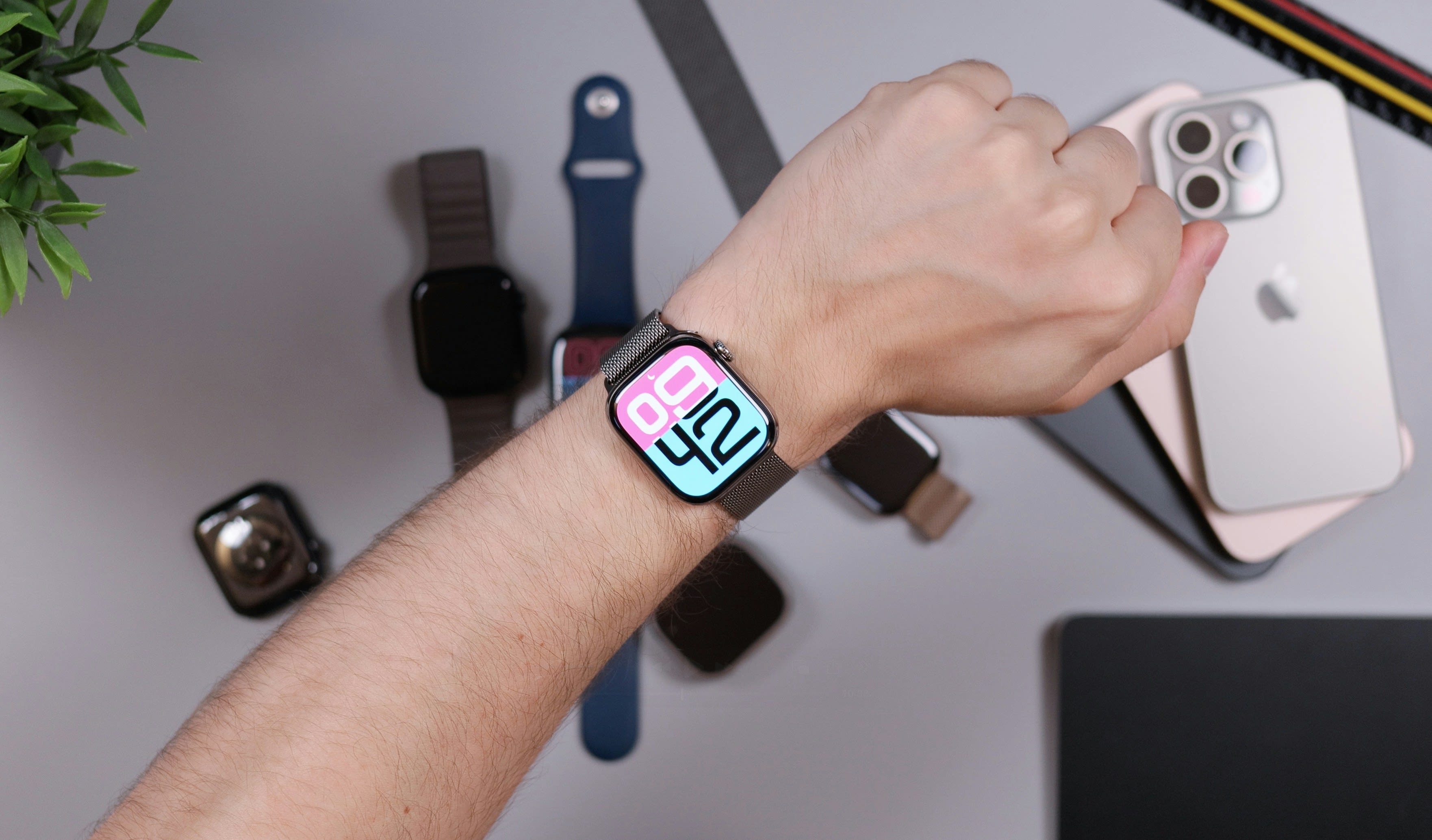
Berzin's practice sits at the center of the wearable and diagnostics boom, and her read on it is blunt: people are drowning in data with no answers and no action to show for it. She's watched the same pattern play out with AI health tools, which hand people a pile of plausible recommendations with no way to rank them.
"Yes, we all have the information," she told me. "What you don't have is the pattern recognition and experience of knowing what works, and what doesn't." Her framing of the doctor's remaining job in an AI-saturated world isn't to hold the information. It's to tell you which piece of it to act on first, and which can wait.
Parsley's answer to that problem isn't another dashboard. Every provider goes through an in-house fellowship built specifically to train doctors on how to connect lab markers, wearable data, and symptoms into one picture, then rank the findings by what matters most for that patient's goals. That training is what turns a pile of numbers into a next step instead of another spreadsheet.
Supplements Are Tools, Not Souvenirs
Berzin doesn't treat supplements as an afterthought to medicine. She treats them as clinical tools that need the same rigor as a prescription: right product, right purpose, tracked over time. "I see too many people with a supplement graveyard in their kitchen, or their bathroom drawer, of supplements they gave a week or two to work," she said. "That's not how supplements work."
She also told a story about overhearing a shopper at a high-end grocery store asking the guy restocking shelves which supplement she should take "for her hormones." It's a funny anecdote on its face and a real problem underneath it. I've said some version of this before and I'll keep saying it: the right supplement, for the right reason, at the right time, in the right amount. Past that, you're guessing.
Your Gut Is Not a Side Character
Gut health is where Berzin's expertise gets the most hands-on. She's the physician behind SuppCo's own gut health protocols, covering leaky gut, constipation, and diarrhea, built from patterns she's tracked across tens of thousands of patients at Parsley. Her explanation of why gut health touches nearly everything else in the body is the most plainly stated version I've heard. "Your mouth is a portal to the outside world," she told me. "Anything going in is the outside world traveling through this tube, all the way down and out the other end." Seventy percent of your immune system lives in your gut. So does an entire nervous system of roughly 500 million neurons. The lining separating all of that from the outside world is one cell thick.
Her Stack: Two Non-Negotiables and One Under the Radar
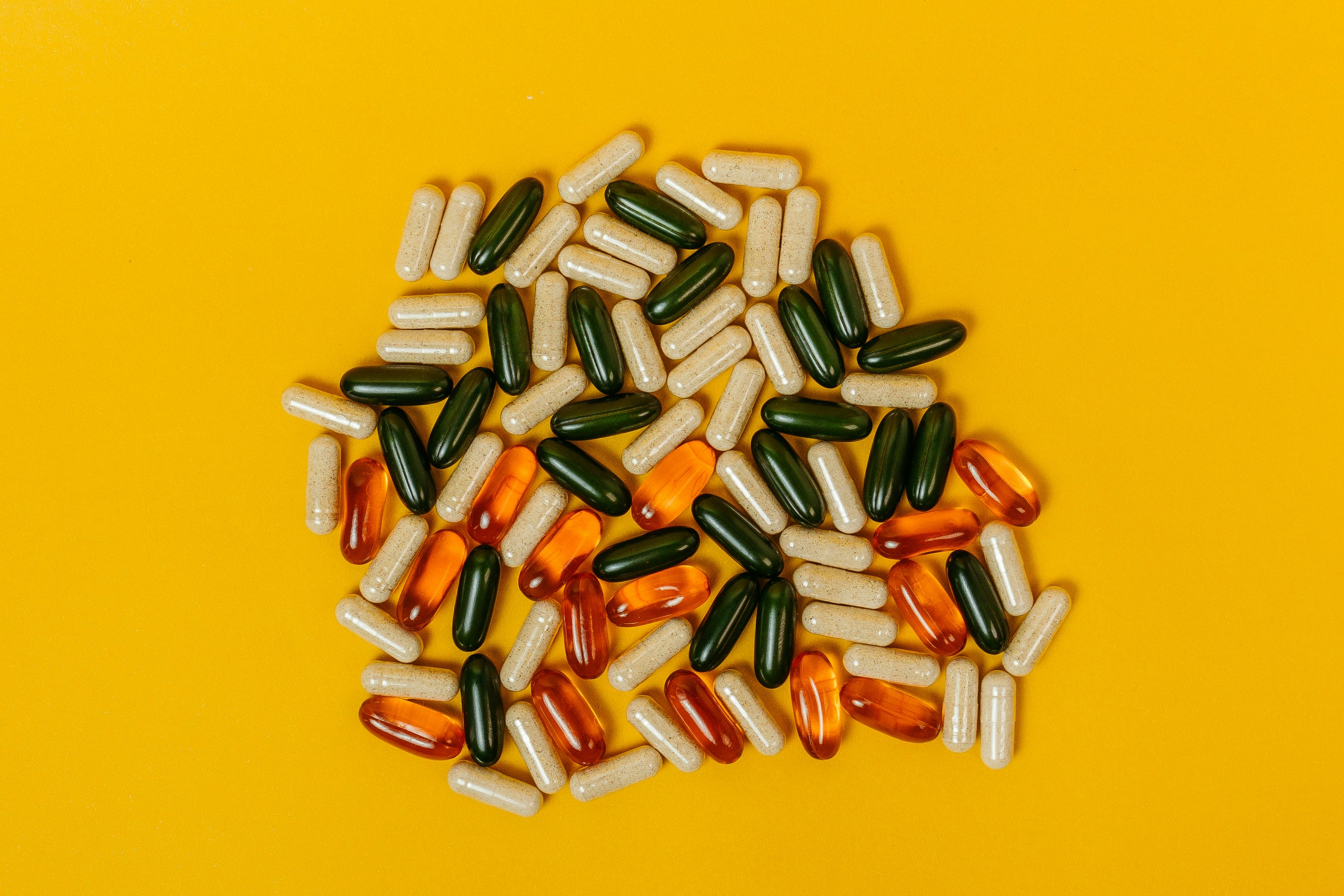
Here's what she wouldn't skip, in her own words:
Daily Dose Multi: Berzin has a genetic variant that changes how she metabolizes B vitamins, and she feels the difference fast when she skips this one.
Magnesium glycinate: her pick for keeping her nervous system calm, helping her muscles recover from training, and sleeping more deeply.
Creatine and a bone-support stack: added after an osteopenia diagnosis. Creatine supports her strength training, alongside an algae-based calcium supplement and a newer prebiotic aimed specifically at slowing bone loss.
Under the radar: a compound called urolithin A, which supports mitochondrial function, the energy-producing machinery inside every cell. She's 44 and treating this as getting ahead of menopause rather than waiting for symptoms to show up.
Nothing too exotic on that list (although I’m a sucker for a Urolithin A shoutout). Every item is tied to something specific she's tracking about her own body, not something she picked up because it looked interesting on a shelf.
--
Personal note from Jordan
One of my favorite parts of this job is sitting across from people (far smarter than myself) who spend their days with actual patients, not just writing about a topic from a distance. Robin has treated more than 50,000 people at Parsley. That kind of pattern recognition, seeing the same three or four things show up together over and over, isn't something you pick up from a research abstract. It only comes from doing the work at scale, for years.
My own lane is more narrow by comparison. I know supplements well: how to read a label, spot a weak third-party test, explain why one form of magnesium works differently than another. But I know far less about hormone panels or gut microbiome testing, the wider territory Robin works in every day. Conversations like this remind me that health doesn't sit in one lane. It's a system, and I have to keep widening how I look at it.
There was something grounding about the whole conversation: gut health, wearable data, her overall read on where a patient should start. Building a clear picture and knowing what to act on first matters more than collecting more data points about yourself. I left that conversation wanting to talk to more people like her.