
Science Corner 72 | Living Your Best Day Every Day: Inside Eric Hinman's Wellness Playbook


In this Science Corner interview, Jordan sits down with Eric Hinman, five-time Ironman finisher and brand builder, to talk through his journey from burnout to Kona, his daily supplement stack, and the philosophy that reshaped how he approaches health. There's too much ground covered to fit it all here, so what follows are a few of the highlights. For everything else, watch the video below.
From Insurance Salesman to the Ironman World Championships
Eric Hinman's transformation didn't start with a health scare or a doctor's warning. It started with vanity. In his mid-20s, Eric was, by his own account, chasing the trappings of success: nice cars, a nice house, a rising income. The lifestyle behind it wasn't so nice. He was logging 50,000 miles a year in his car, eating Subway for lunch and McDonald's for breakfast, and drinking heavily on weekends. Despite having been a three-sport athlete in high school, he found himself, for the first time in his life, out of shape.
What initially sparked the change was aesthetics, he admits. "I wanted to look good again. And to some degree I wanted to feel good again." He hired a personal trainer, committed to five 6:30 a.m. sessions a week, and, without knowing it at the time, started doing CrossFit-style workouts before CrossFit had a name he recognized. Six months in, he'd dropped body fat, gotten stronger, and rediscovered running.
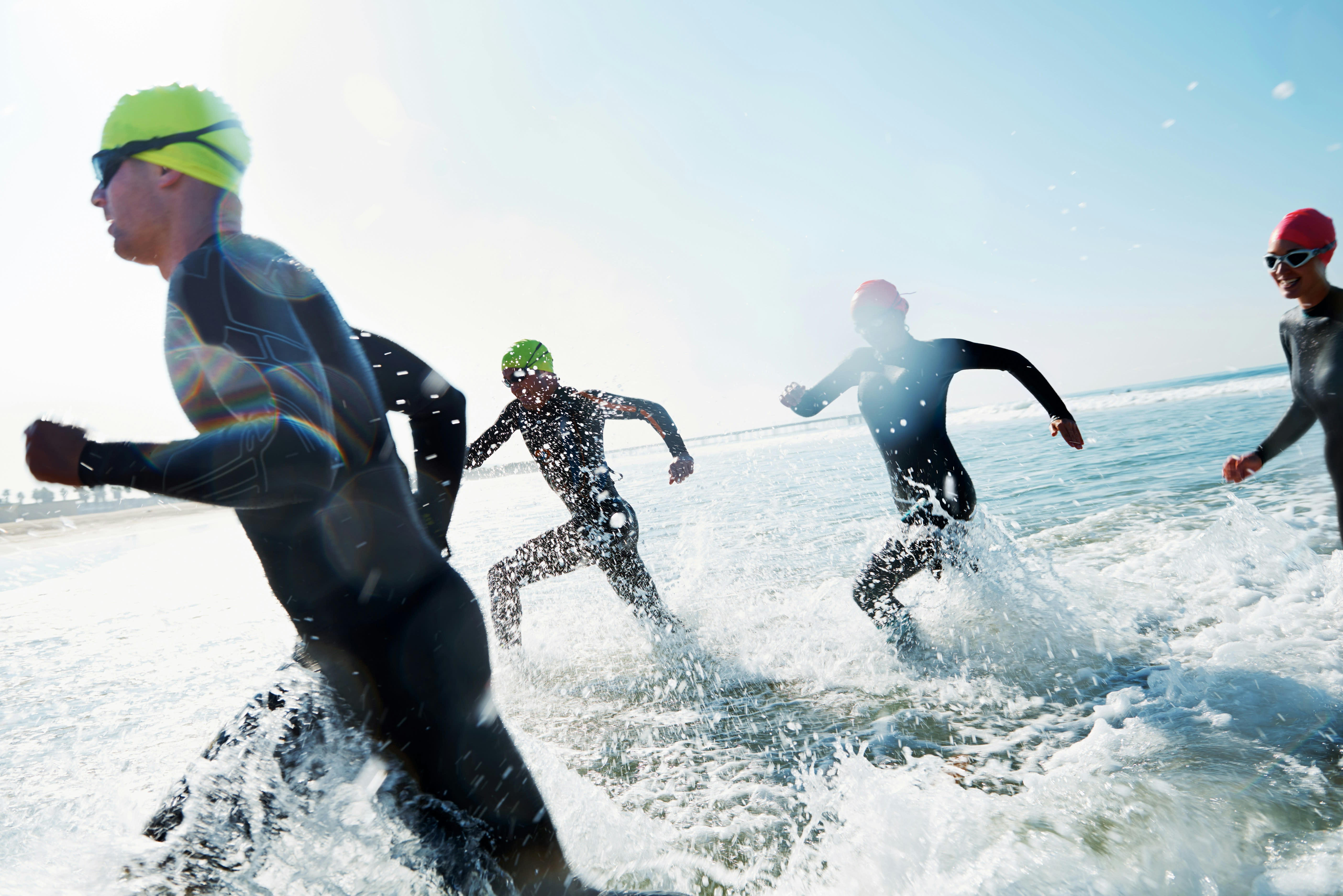
That rediscovery led to triathlon, and triathlon led to obsession. Over a four-year stretch, from 2009 until 2013 or 2014, he went from an out-of-shape insurance salesman to toeing the line at the Ironman World Championships in Kona, Hawaii. He'll be the first to admit he took it too far, skipping recovery and training without much knowledge of supplementation, and burned himself out in the process. Today, he still trains at a high volume, but treats sleep, diet, supplements, and recovery as equally important as the training itself.
Progress as Fuel
I love that Eric doesn't dismiss aesthetics as a shallow motivator. He actually credits it as the spark that led to everything else, tracking his body fat as it dropped from 22% down to the 8 to 9 percent range he sits at today. Progress, in his telling, is what drives all of us: first the visual kind you can see in the mirror, then the performance kind, faster run splits, higher bike wattage, longer rides in the saddle.
The early days were not friction-free. Foot issues, shin pain, a saddle-sore pelvic bone, and aching wrists from CrossFit's overhead work all had to be worked through by strengthening the smaller stabilizing muscles most people neglect. It's a balance, he says, of doing enough to get the benefit without doing so much that you get hurt.
Seventeen years and two workouts a day later, Eric says he's no longer chasing outcomes. He's fallen in love with the process itself. Still, specific milestones mattered along the way: a heart rate monitor, a power meter, closing in on the 10-hour mark in an Ironman, each one confirming he was onto something. Even the bad races served a purpose, giving him something to prove wrong.
A Day Built Around Energy, Not Just Efficiency
Ask Eric how he protects his training time as a busy entrepreneur, and the answer comes down to one word: time-blocking. Workouts, calls, and meetings all have a designated slot, including a standing 5 p.m. sauna session where he takes in-person meetings, a kind of multitasking without multitasking.
His morning workout, typically around 8:30 or 9 a.m., is scheduled deliberately after a couple of hours of quiet, message-free focus work. Once it's done, his mind is sharp enough to execute fast on everything else, which is why he treats that morning session as the thing that sets the tone for the rest of the day. The afternoon workout, often in the mountains, resets his focus before an evening of calls and, eventually, sauna.
Two to three rounds of roughly 20 minutes in a 190-degree sauna, followed by about three minutes in a 45-degree ice barrel, cap things off. "Every single night, that's like blowing dust off a Nintendo game for my nervous system," Eric says. It doubles as social time too, since he invites people over to join him.
Every single night, that's like blowing dust off a Nintendo game for my nervous system.
Your Network Is Your Net Worth
For Eric, relationships aren't a nice-to-have on top of physical health. They're one of the pillars of it, and he considers community the most overlooked form of wellness there is. He deliberately schedules coffee meetings with new people multiple times a week, treating it as a two-way exchange of value: he might learn about AI from a 20-year-old immersed in it while offering them insight on building a business in return.
He often repeats the line that your network is your net worth, and means it literally. So much of the value he's able to offer people now, he says, comes from the connections he can make for them. Notably, his phone stays out of the sauna, so those conversations stay fully present.
The Five Basics That Actually Move the Needle
When asked what actually drives health span, not just lifespan, Eric keeps it simple: nutrition, sleep, exercise, being outside, and community. That's the foundation, he says, and everything else, the recovery protocols, the supplements, the biohacks, is icing on top of it.
He ties this directly back to human evolutionary history: our ancestors moved daily, found shelter, slept, lifted heavy things, and were exposed to the elements out of necessity. The more of those same things people can work back into modern life despite all its comforts, he believes, the better they'll feel, and the more it will extend both health span and lifespan.
Exercise as a Lifestyle, Not a Look
One belief Eric says he's completely reversed: the purpose of exercise itself. "I used to think that exercise was either for an aesthetic or for performance in sport. And now I recognize that it's for a high performance lifestyle." It's about feeling good every day, he says, having energy and mental clarity, and being a better business owner, employee, father, and husband. Dialing in the basics, in his view, simply makes you a better human being across the board.
His advice for anyone starting from zero: don't try to overhaul everything at once. Eric focused on one pillar at a time, exercise first, then diet, then sleep, then recovery, then community, giving each one six months to a year to become automatic before adding the next. Start exercising, he says, and better sleep and better eating tend to follow on their own, a snowball effect in the positive direction.
Inside Eric's Daily Stack
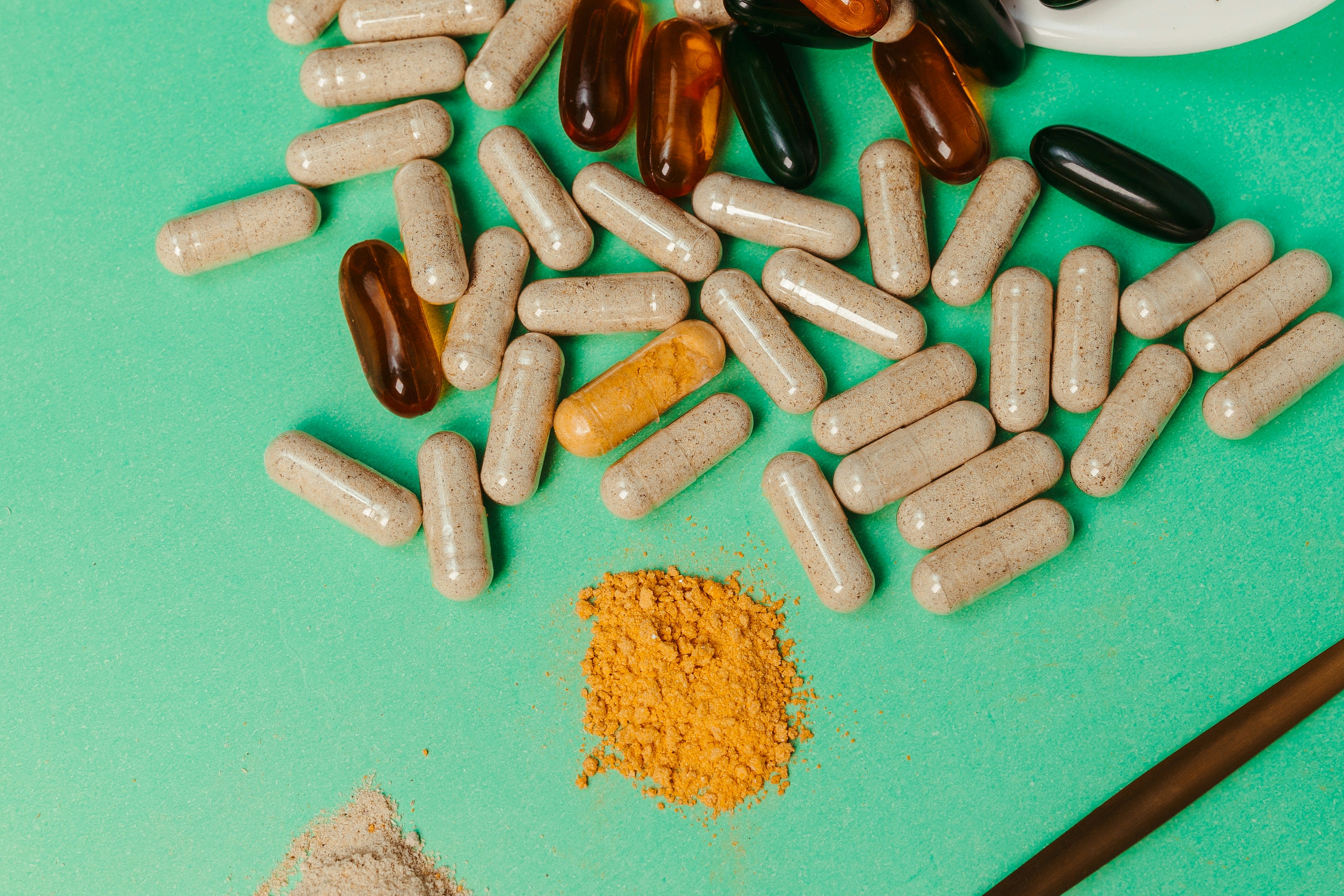
Eric’s supplement routine is calibrated for someone training 20 to 22 hours a week, and he's quick to note his doses aren't necessarily a template for everyone. Five grams of creatine, for instance, is likely plenty for anyone not training at his volume. Here's what a typical day looks like for him:
Creatine (10g in the morning): he's shifted to a higher daily dose after reading research on its benefits at higher volumes of training.
Urolithin A for mitochondrial health: inspired in part by an 81-year-old he met on a track in Austin who still runs a sub-30-second 200m.
A multivitamin, alternating between something like greens powder and a traditional multivitamin.
An animal-based organ supplement, to get nutrients from organ meats he doesn't eat directly.
A nitric oxide supplement geared toward endurance training, to support blood flow.
In the evening: magnesium, ashwagandha, and melatonin for restful sleep, plus colostrum and collagen, usually blended into smoothies.
"Living Your Best Day Ever, Every Day"
Eric’s now-signature phrase took shape between 2010 and 2014, during long solo hours of Ironman training. He took a step back and realized he was getting more joy from the training itself, from the people he was meeting, and from the conversations that came out of it, than from building businesses and chasing money. So he began designing his life around wellness instead of around the pursuit of business success.
Counterintuitively, opportunity followed. "Instead of chasing opportunities, I started to attract opportunities."
“Living your best day, every day.” File that one away for later.
In practice, he describes it as an ongoing audit: noting which people, conversations, and activities left him fully present, and which ones left his mind wandering elsewhere, then building more of the day around the former. His perfect day might not be anyone else's, he's quick to note, but he thinks it's worth the effort to figure out the environments that remove friction for doing the things you actually want to do.
Can't-Live-Without vs. Under-the-Radar
Asked to name one supplement he couldn't live without, Eric didn't hesitate: caffeine, usually in the form of a morning cappuccino, with paraxanthine or a nootropic reserved for long training days or races. His close second: a sleep supplement, especially while traveling.
For the one flying under the radar, he points back to Urolithin A, arguing that most people underestimate how much mitochondrial health matters as they get older.
--
Personal note from Jordan
If there's one thing I want you to walk away from this interview with, it's Eric's line: living your best day ever, every day. It's a heck of a heuristic. Simple enough to actually remember, which is half the battle with anything like this. Is it attainable every single day, for everybody? Probably not. But that's not really the point. It's a target worth having in front of you, a reminder that we should always be trying to better ourselves, even on the days we fall short of it.
I also want to defend something Eric said early on that I think gets vilified too quickly: there's nothing wrong with aesthetics being a motivator. That one's a personal driver for me as well. Wanting to look good has been a driving factor in keeping my own health intact for a long time, and I don't think that needs an apology. If vanity helps get you in the gym and something bigger takes root from there… take the win.
And perhaps it ages me, but Eric's "blowing dust off a Nintendo game" line is the perfect reference that hooks me in any interview (if you've done this, you know exactly what this means). Those little cultural touchstones are what make a conversation memorable instead of just informative. More of that, please.