
Inside the Formula | The Saturated Fat Your Body May Be Missing

With Fatty15 & TESTED by SuppCo: Inside the Formula is a new sponsored series featuring brands in the TESTED by SuppCo certification program, where we spotlight the fascinating research behind products that have received the certification. Learn more about TESTED by SuppCo.
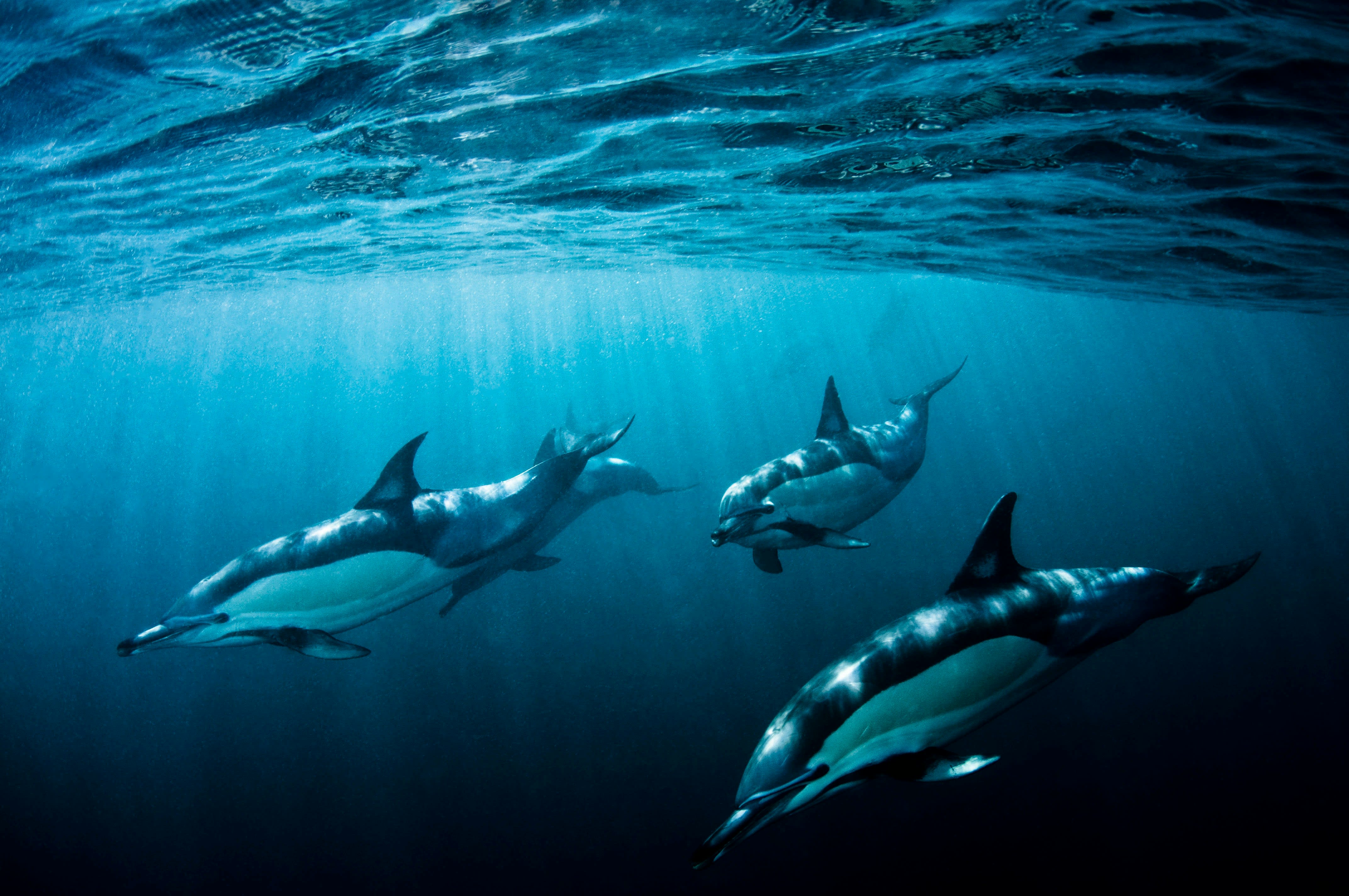
Here is a sentence you probably did not expect to read today: everything Fatty15 knows about human aging, it learned from dolphins.
Dr. Stephanie Venn-Watson spent over 20 years as a veterinary epidemiologist working with the U.S. Navy's dolphin program in San Diego. Her job was to figure out why some dolphins aged well and others did not. Using a technique called metabolomics, which is basically a deep scan of thousands of molecules in the blood, her team found that one thing kept showing up in the healthiest, longest-living animals: a saturated fatty acid called C15:0.
From there, Venn-Watson and her husband Eric co-founded Fatty15 to bring that finding to people. But they did not rush it. Before ever selling a supplement, they spent years running studies, including the kind of pharmacokinetics and bioavailability research you would normally do for a pharmaceutical drug. More than 100 peer-reviewed papers on C15:0 now exist. The supplement came after the science, not before it.
The core promise of Fatty15 is simple: it gives you C15:0, a fatty acid most of us have quietly stopped getting because we eat a lot less full-fat dairy than we used to. So the most important question a buyer of this incredibly rare nutrient can ask is also simple: is the C15:0 actually in there?
Through the TESTED by SuppCo program, Fatty15's supplement was independently purchased and sent to a third-party lab. SuppCo anonymously purchased the product the same way you would. The lab verified the fatty acid profile and confirmed the product contains what the label says it does.
That matters more for this product than it might for others. The research supporting C15:0 was done on a specific, high-purity form of the ingredient. Fatty15 uses a pharmaceutical-grade source that the company says is greater than 99 percent pure, tested batch by batch. TESTED by SuppCo confirmed that what is in the bottle matches what is on the label, which means buyers can reasonably trust they are getting the same ingredient the studies used.
I sat down with Dr. Stephanie Venn-Watson to dive deeper into the science behind C15:0.
JG: "What made you confident C15:0 was more than just an interesting data point from dolphin research?"
SVW: "We moved C15 into the lab and ran eight studies over three years with Dr. Ed Dennis, who led the Journal for Lipid Research for over 15 years. By the end, we had evidence that C15 met the criteria for being called an essential fatty acid, the first one identified in over 90 years. And at the same time, large human population studies were showing that people with higher C15 levels had lower rates of type 2 diabetes and heart disease. Both lines of evidence pointing the same direction was the real moment."
JG: "C15:0 is a saturated fat. How do you make that case when people have been told for decades that saturated fat is the problem?"
SVW: "By doing the homework first. We spent years building the science before we ever talked publicly about C15. The short version is that not all saturated fats behave the same way. C15 has no double bonds in its structure, which makes it chemically stable. Instead of causing problems in your cell membranes, it actually reinforces them. That distinction took time and peer-reviewed evidence to establish, but the data now supports it clearly."
JG: "You have proposed that low C15:0 could be its own deficiency syndrome. That is a big claim. What backs it up?"
SVW: "If something is truly essential, you should see a specific set of problems when people do not get enough of it. We published a paper in Metabolites in 2024 laying out exactly that chain of events: low C15 weakens cell membranes, including red blood cells. Those fragile cells get cleared out by the liver faster than normal, which creates iron overload. That iron overload drives a specific form of cell damage called ferroptosis. The full syndrome, now formally named metabolic hyperferritinemia by an independent research team, matches what we originally saw in the dolphins. We did not just name it ourselves, it has been confirmed by others."
Animal Model to Human Outcomes: Translating Research is Difficult
I have spent nearly 15 years working in science, with time on both sides of the animal-to-human research divide. That experience makes me a pretty skeptical audience for stories that start with "we found something exciting in an animal model."
The reality of that kind of research? Animal physiology and human physiology are different in ways that matter. A lot. Findings that look extraordinary in rodents, primates, or even dolphins do not always hold up when you test them in people. The graveyard of promising animal research that never translated to humans is large, and anyone who has worked in this space knows it well. Excitement about an animal finding is warranted. Confidence that it will pan out in humans is usually premature.
What caught my attention about this story is not that the original discovery came from dolphins. It is what happened after that. Rather than jumping straight to a supplement, Venn-Watson and her team spent years doing the kind of methodical work that translation actually requires, mapping the mechanisms, studying bioavailability, building a body of peer-reviewed literature, and watching for the same signals to show up independently in large human population studies. That is rare. It is actually closer to how drug development works.
Does that mean every question is answered? No. Translational research is a long road and C15:0 is still a relatively young area of science. But the process here has been unusually rigorous, and the human data supporting the core findings continues to grow.
Also, I want to be transparent about one thing: dolphins are genuinely awesome, and I may be slightly biased toward any story that starts with them.