
Science Corner 55 | The COSMOS Trial: The Biggest Study Ever Done on Cocoa Flavanols Just Reported Its Results

Most supplement studies involve a few hundred people over a few months. The COSMOS trial involved 21,442 people over five years. It was run by researchers at Brigham and Women's Hospital, part of Harvard Medical School, and it followed a simple question: can a daily cocoa flavanol supplement protect your heart and brain as you age?
The results are in. Here is what they found.
This is the largest and most rigorous study ever done on a dietary supplement. The findings on heart health and memory are hard to ignore.
First: What Are Cocoa Flavanols?
Flavanols are natural compounds found in cocoa, tea, berries, and grapes. They are not vitamins. Your body does not need them to survive. But a growing body of research suggests they do something important: they help your blood vessels relax and open up. Better blood flow is good for your heart. It is also good for your brain.
The COSMOS trial used a standardized extract delivering exactly 500 mg of flavanols per day, including 80 mg of the most active form, called (-)-epicatechin. That precise dosing is what makes this trial so valuable. No guesswork. No variability. Just a controlled daily dose versus a placebo pill.
The Heart Health Finding
Here is the number that stopped researchers in their tracks.
People who took the cocoa flavanol supplement every day had a 27% lower risk of dying from cardiovascular disease compared to people who took the placebo. That is not a small effect. Cardiovascular disease is the leading cause of death in the United States. A 27% reduction in cardiovascular death from a supplement with a strong safety record is a meaningful signal.
When researchers looked only at people who actually took their pills consistently, the number rose to 39%.
To be honest: the study's main goal, reducing total cardiovascular events including surgeries and hospitalizations, did not reach statistical significance. That matters, and we should say so. But a near-40% reduction in cardiovascular death among consistent users is the kind of finding that earns serious attention.
The Memory Finding
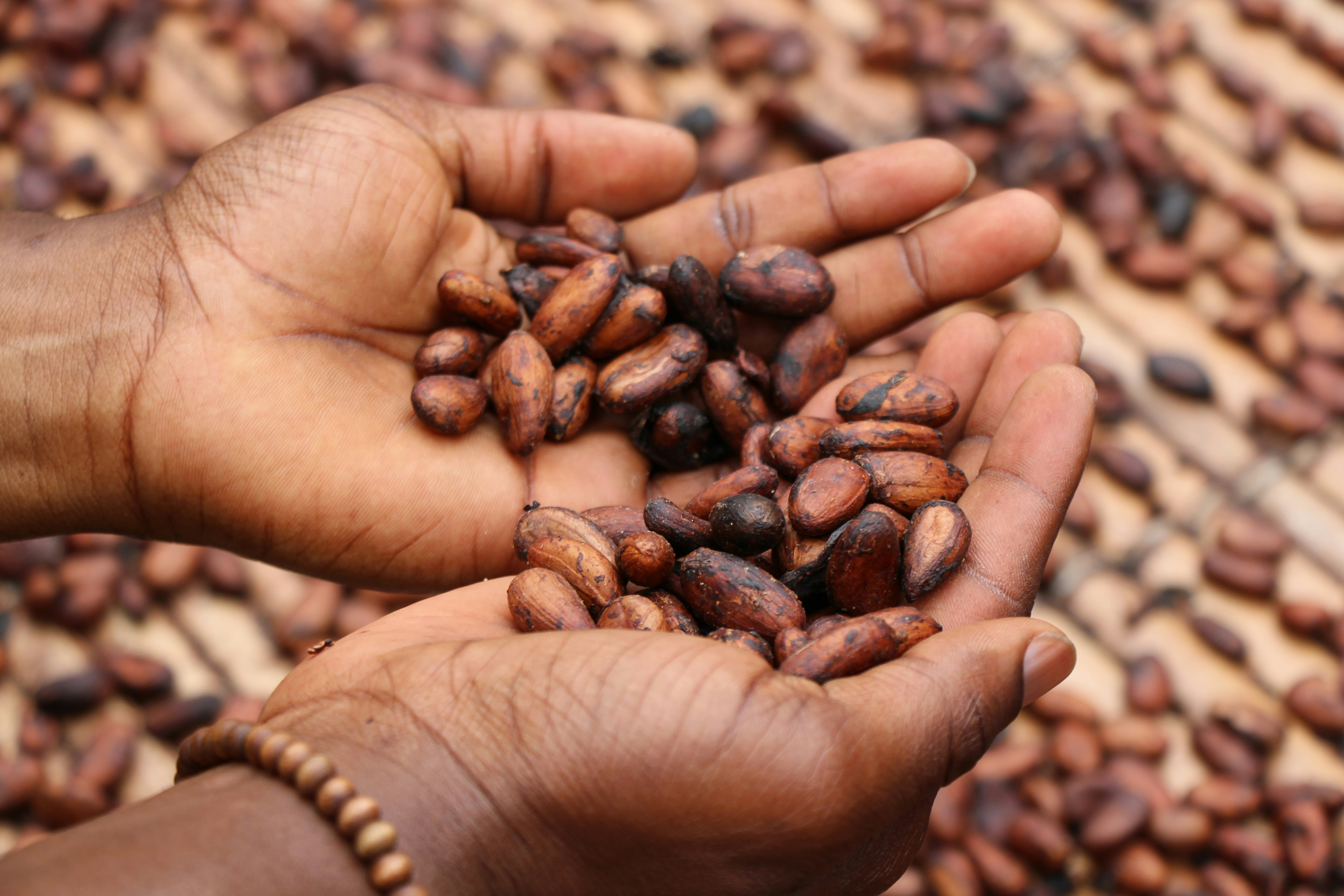
The second major result came from an ancillary study called COSMOS-Web, published in the Proceedings of the National Academy of Sciences.
Researchers tested hippocampal-dependent memory, the type of short-term memory most affected by normal aging, in 3,562 older adults over three years. What they found was specific and important.
People who already ate a flavanol-rich diet did not get much benefit from the supplement. Their memory was already protected.
People who ate a low-quality diet, meaning they were not getting enough flavanols from food, saw their memory performance restored to the level of high-flavanol eaters. The supplement closed the gap.
Think of it this way: flavanol deficiency may be driving a portion of the memory loss we assume is just normal aging. If you are eating an average American diet, there is a real chance you fall into this group.
One important note: eating dark chocolate will not get you there. Most commercial chocolate processing destroys the flavanols. The percentage on the label tells you almost nothing about how many flavanols are inside.
The memory benefit was not about enhancement. It was about restoration, catching people up to where they should be.
What This Means for You
If your diet includes regular servings of tea, berries, and other flavanol-rich foods, your baseline may already be covered. The supplement is unlikely to produce a dramatic added benefit.
If your diet looks more like the American average, the COSMOS data suggest a standardized flavanol supplement may support both your heart health and your memory over time.
Do not rely on chocolate to hit the dose used in this study. The flavanol content is too variable and almost always too low in processed products.
This is not a treatment for heart disease or memory loss. It is a preventive tool with solid evidence behind it, which is a meaningful distinction.
--
Personal note from Jordan
When I first read the COSMOS cardiovascular results, I sat with them for a while before writing anything. A 27% reduction in cardiovascular death is not a soft biomarker. It is not a blood pressure reading. It is people who did not die from heart disease. That is about as real as a clinical finding gets.
The memory data hit closer to home. Since my son was born, my diet has been inconsistent, to put it generously. I know I am not eating the way I was before life got this full. When I read that flavanol supplementation restored memory in people with lower dietary flavanol intake, not enhanced it but restored it, I thought about the months of average eating and wondered where my baseline actually sits right now.
I added a standardized flavanol supplement to my stack. Not because COSMOS proved a perfect case. The primary cardiovascular endpoint did not fully land. But the signal is credible, the safety profile is strong, and the downside of being wrong is basically nothing. Science gives us tools, not rules. This one is worth considering.
Science Corner focuses on the science of nutrients, and is never sponsored or financially affiliated with any supplement brand. However, it is very understandable that SuppCo users want to know which actual product(s) were used in a specific trial. The actual product used by participants in the referenced trial was from CocoaVia. We're sharing this information as a reference for our users. Any products and informational content displayed on this page are not intended to diagnose, treat, cure, or prevent any disease.