
Supplement Guide | Probiotics 01 | 100 Trillion Residents: Inside Your Gut Microbiome

This is Part 1 of SuppCo's 4-part series on probiotics. We'll cover the biology of your gut microbiome, what probiotics actually are, and how the full family of "biotics" fits together.
You are home to about 100 trillion microorganisms. Most of them live in your gut. They outnumber your human cells, and the genetic material they collectively carry outweighs your own genome by a factor of roughly 150 to 1. Your gut is not just a digestive organ. It is an ecosystem, and probiotics are one of the most popular tools people use to influence it.
Before we get into what the research says, what to buy, or which strains matter for which conditions, we need to build the foundation. The biology matters here, because a lot of the confusion around probiotics comes from skipping it.
Taking probiotics without understanding your microbiome is like adding fertilizer to a garden you've never looked at.
What Is the Microbiome?

The gut microbiome is the community of bacteria, fungi, viruses, and other microorganisms that live in your gastrointestinal tract, primarily in your large intestine. Research has now identified more than 3,000 bacterial species in the human gut, concentrated at the species and strain levels. Each person harbors somewhere between 150 and 400 of those species at any given time, and your genetics, diet, and immune system are all shaping this ecosystem.
This community is not passive. Your gut microbiome regulates immune function, produces neurotransmitters, synthesizes certain B vitamins and vitamin K, breaks down dietary fiber into short-chain fatty acids that feed your intestinal cells, and signals to your brain through what researchers call the gut-brain axis. When the composition of this community shifts in ways that compromise these functions, the resulting state is called dysbiosis. Dysbiosis has been associated with conditions ranging from irritable bowel syndrome to metabolic disease to depression. We'll get deeper into that evidence in Part 2.
The aforementioned ecosystem is also highly personal. A 2024 study published in Cell Host & Microbe as part of the NIH's Integrative Human Microbiome Project found that individual microbiomes are far more unique than previously appreciated, shaped by each person's specific combination of host genetics, immune history, and environmental exposures. This individuality is relevant later when we discuss why transient colonization, not permanent establishment, is the more accurate way to think about what probiotics actually do.
What Is a Probiotic?
The definition most researchers use comes from the World Health Organization. Probiotics are "live microorganisms which, when administered in adequate amounts, confer a health benefit on the host."
Three words in that definition carry most of the weight.
Live. Probiotics must be alive and viable when they reach your gut. This is not guaranteed. Heat, moisture, and time all degrade bacterial viability. A supplement that was manufactured with 50 billion colony-forming units may deliver significantly fewer by the time you take it, depending on how it was stored and how long it has been on the shelf. We'll return to this in Part 3 when we discuss CFU vs AFU counts and what to look for on a label.
Adequate amounts. The dose matters, and it is strain-specific. The amount of Lactobacillus rhamnosus GG shown to reduce antibiotic-associated diarrhea in clinical trials is not the same as the amount needed to influence immune markers. More is not always better, and less may simply be ineffective.
Health benefit. This is the bar. Not "natural," not "live," not "fermented." A health benefit, demonstrated in humans. The regulatory threshold is lower than a pharmaceutical standard, but the word "benefit" is doing real work in that definition. Not all live microorganisms marketed as probiotics meet it.
The Fermentation Backstory
Humans have been consuming fermented foods for thousands of years. Yogurt, kefir, kimchi, sauerkraut, miso, tempeh. These traditions predate any scientific understanding of bacteria by millennia. What these cultures discovered empirically, through survival, is that fermentation preserved food, improved digestibility, and seemed to support health.
The scientific study of this phenomenon is generally traced to Élie Metchnikoff, a Russian zoologist working at the Pasteur Institute in the early 1900s. Metchnikoff observed that Bulgarian peasants who consumed large quantities of fermented dairy products appeared to live unusually long lives. He hypothesized that the lactic acid bacteria in those foods were displacing harmful intestinal bacteria and contributing to longevity. His hypothesis was imprecise by modern standards. But the underlying intuition, that the microorganisms we consume can influence our health, has proven to be correct.
The formal probiotic supplement market is a much more recent development. The first modern probiotic products appeared in the mid-twentieth century, and the category has grown into a multi-billion dollar global industry. With that commercial expansion has come both genuine scientific progress and significant marketing noise. Separating the two is the point of this series.
The "Biotics" Family
Probiotics don't exist in a vacuum. There's an entire vocabulary of other “otics” that has emerged around them, and it's worth getting the definitions right because the differences are meaningful, not just semantic.
Broken down plainly:
Prebiotics are the food for your existing gut bacteria. Think of inulin, fructooligosaccharides, or resistant starch. You are not adding bacteria. You are feeding the ones you already have. Most prebiotics are specific types of dietary fiber that humans cannot digest but certain gut bacteria can.
Postbiotics are what your gut bacteria produce. Butyrate, a short-chain fatty acid made when gut bacteria ferment fiber, is arguably the most studied postbiotic. It fuels colonocytes (the cells lining your colon), supports gut barrier integrity, and has anti-inflammatory properties. Postbiotics also include cell wall fragments and metabolic byproducts that appear to have direct biological activity even without living bacteria present.
Synbiotics are combination products that pair a probiotic strain with a prebiotic substrate. The idea is that the prebiotic feeds the probiotic, potentially improving its survival and function. Some synbiotic formulations are designed so that the prebiotic specifically supports the paired probiotic strain. Others simply combine both ingredients without that level of precision.
The distinction matters when you're standing in a supplement aisle. A product labeled "prebiotic" contains no live bacteria. A product labeled "postbiotic" may contain dead bacteria or bacterial metabolites with no live cultures at all. Neither is wrong; they work through different mechanisms. But they are not interchangeable.
What Probiotics Actually Do in Your Gut
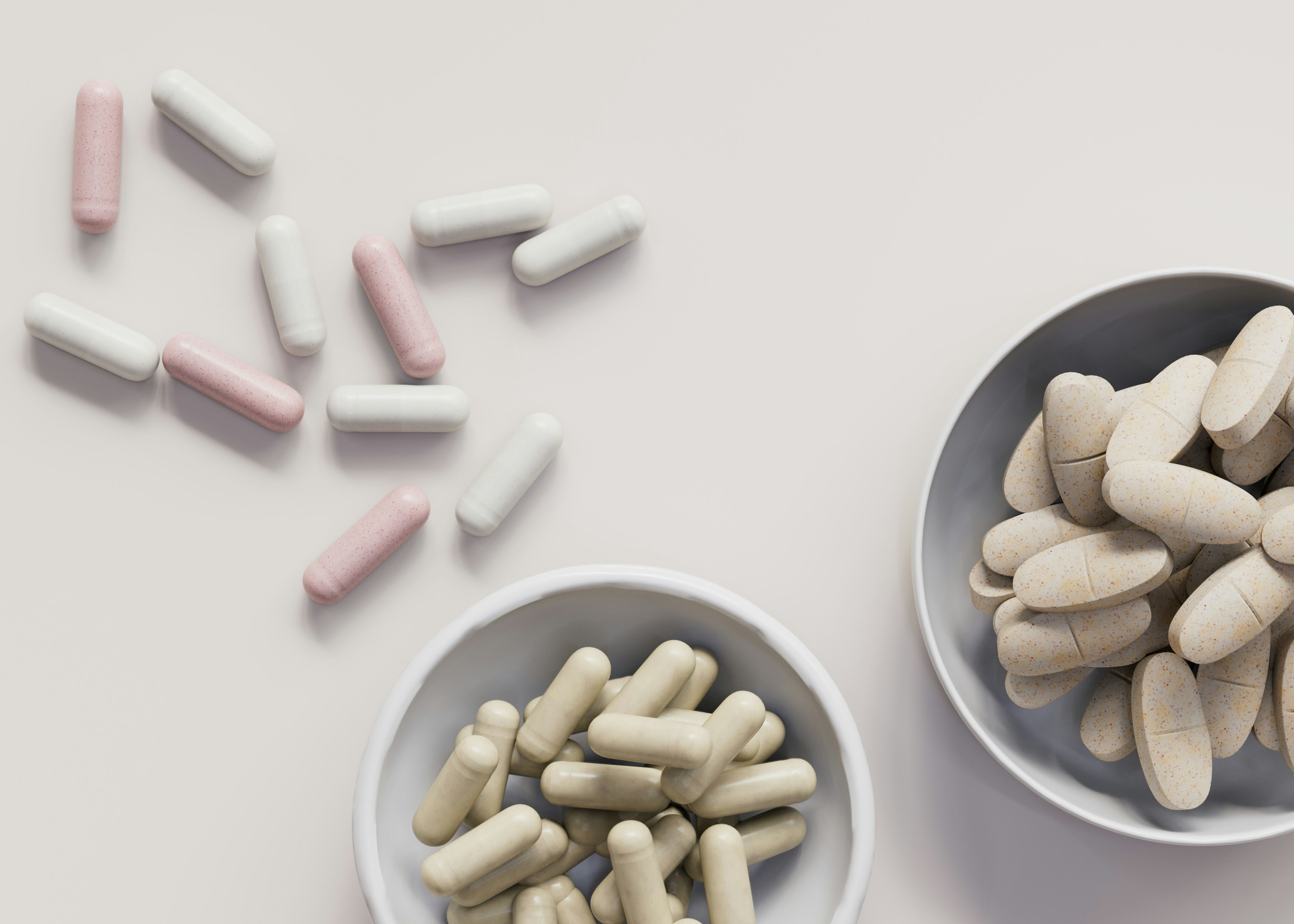
Here is where a lot of popular communication about probiotics goes wrong. The dominant mental model is that you take a probiotic, the bacteria colonize your gut, and your microbiome improves. That is not quite what happens.
Probiotic strains persist in the intestine for only a few days. This difference from permanent colonization is likely due to the resident gut microbiota, which tends to remain relatively stable throughout adulthood. Even with perturbations caused by antibiotics or foodborne illness, the gut microbiome tends to be resilient to the long-term establishment of exogenous bacterial strains.
This is called transient colonization, and it is actually the expected behavior, not a flaw. Just as most pharmaceutical drugs have a transient impact on the human body, probiotic consumption can be sufficient for a ripple effect in the intestine, subtly altering the responses of the gut microbiome and intestinal epithelium in ways that are amplified throughout the body.
The practical implication is straightforward: for most people, probiotics work while you take them, and the benefit diminishes when you stop. Consistent use is the model, not a one-time course. There are exceptions, particularly in infants whose microbiomes are still being established, but in adults the pattern holds.
A 2018 study published in Cell also found that probiotic colonization patterns are highly individual. Humans feature person-, region-, and strain-specific mucosal colonization patterns that are predictable based on baseline host and microbiome features, but indistinguishable by probiotic presence in stool. This is one reason why stool-based testing cannot reliably tell you whether a probiotic is working.
How Modern Life Disrupts the Ecosystem
The gut microbiome is remarkably resilient, but it is not invincible. Three categories of disruption show up consistently in the research.
Antibiotics. Antibiotics are among the most effective tools in modern medicine, and they are also the most dramatic disruptors of the gut microbiome. A study of nearly 15,000 people published in Nature Medicine found that antibiotics have an enduring impact on the gut microbiome, causing disturbances that can last up to 8 years. The greatest disruptions to gut species occurred within 1 year of consuming antibiotics, but some disruptions can last much longer, with some antibiotics altering the microbiome by 10% to 15%. This is not an argument against taking antibiotics when you need them. It is an argument for being thoughtful about unnecessary use, and for understanding why microbiome support after a course of antibiotics has become a common clinical consideration.
Diet. Mediterranean, high-fiber, plant-based, and fermented-food diets promote microbial diversity, enhance short-chain fatty acid synthesis, improve gut barrier integrity, and support immune tolerance by modulating regulatory T cell activity. The inverse is also true. Diets high in ultra-processed foods, low in fiber, and low in dietary variety consistently correlate with reduced microbial diversity. This is one of the most robust findings in microbiome research.
Stress, sleep, and environment. The gut-brain axis runs in both directions. Chronic psychological stress alters gut motility, intestinal permeability, and microbial composition. Poor sleep disrupts circadian rhythms that the microbiome appears to follow. Environmental factors including sanitation, childhood antibiotic exposure, and whether you were born vaginally or via cesarean all shape the microbiome in ways that can persist for years.
The microbiome you have today is the product of every antibiotic course, every dietary pattern, every stressful year, and every environment you have ever been in.
Fermented Foods vs. Supplements: What the Evidence Says
This is a genuine tension in the field, and it deserves a straight answer rather than a diplomatic non-answer.
Fermented foods, specifically live-culture fermented foods like yogurt, kefir, kimchi, sauerkraut, and miso, offer something that no supplement can: microbial diversity. Even the most comprehensive commercial probiotic supplement contains 10 to 12 species at most. A microbiome with 50 species does fundamentally different and more comprehensive work than one with 5. A small 2021 study published in Cell directly compared a high-fermented-food diet with a control diet (prebiotic, high-fiber) over 10 weeks. The fermented food group showed significant increases in microbiome diversity and reductions in 19 inflammatory proteins. The fiber group, despite dramatically increased fiber intake, showed no comparable changes in diversity or inflammation markers.
Supplements offer something fermented foods cannot: specificity. With a supplement, you can more easily target a particular condition. In fermented food, you don't know which strains you're getting and in what quantities, so targeting a particular condition is difficult. When the goal is addressing antibiotic-associated diarrhea, IBS subtype symptoms, or a specific immune outcome, a strain-specific supplement with clinical evidence behind it is the more precise tool. Fermented food cannot reliably deliver Lactobacillus rhamnosus GG at the dose and frequency used in the studies showing benefit.
The framework: Fermented foods are better for general microbiome diversity and long-term ecosystem health. Probiotic supplements are better for targeted, condition-specific goals. Not all fermented foods contain live cultures, and even if they do contain live cultures, these cultures may not meet the definition of a probiotic. Heat-processed sauerkraut from a shelf-stable can contains no live bacteria. Shelf-stable pickles brined in vinegar rather than lacto-fermented contain none either. If fermented food is part of your gut health strategy, the live-culture distinction matters.
Ideally, these approaches are complementary, not competing. Eat a diverse range of fermented foods for microbial breadth. Use a well-researched probiotic supplement when you have a specific goal or disruption event. Know what you're trying to accomplish, and choose accordingly.
When to Stop
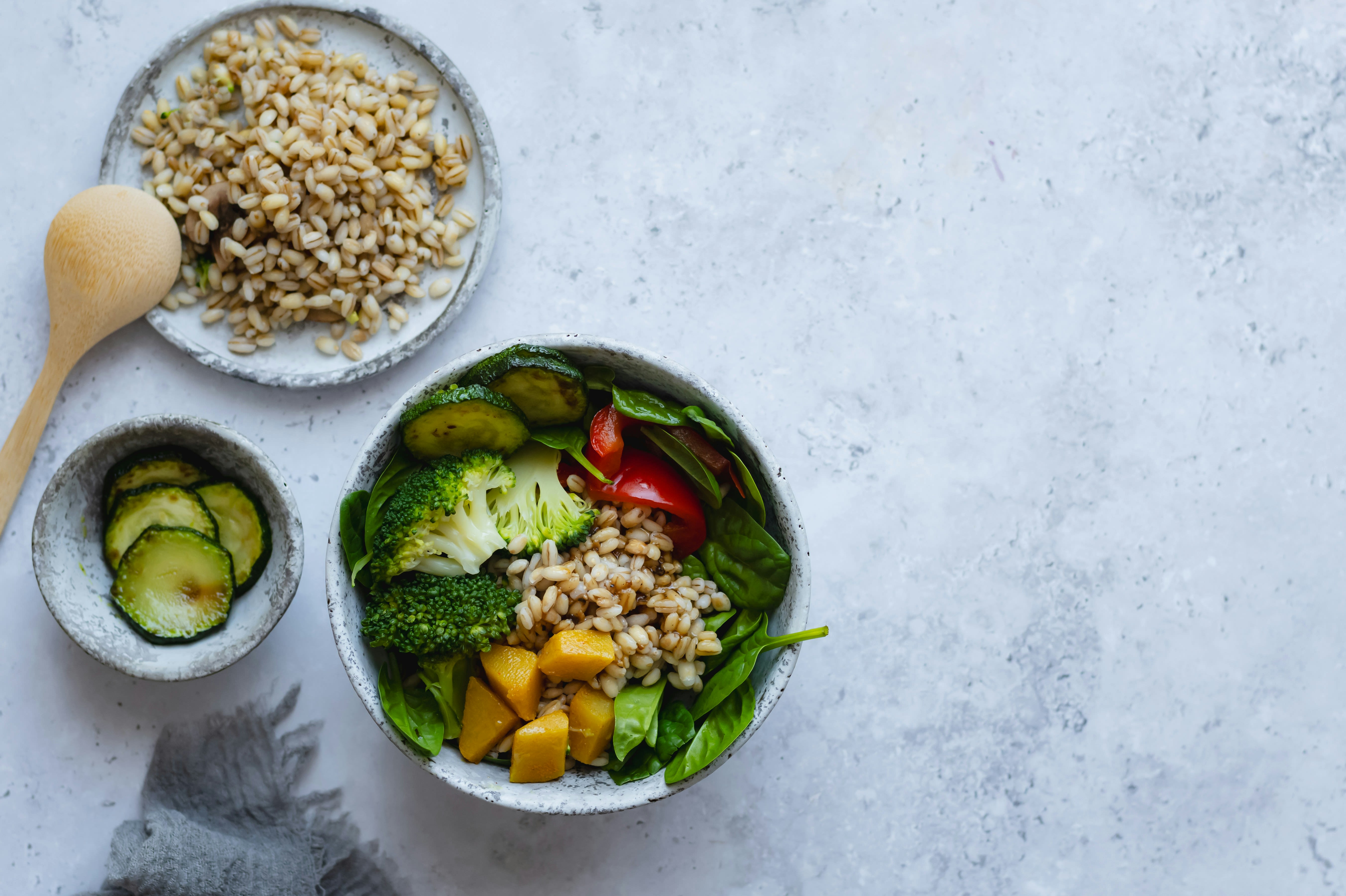
Most probiotic guidance tells you what to take. Less common is guidance on when to stop.
A probiotic that is working for your stated goal should produce a measurable change within 4 to 8 weeks for most conditions with clinical evidence behind them. Gut symptom reduction, stool consistency improvement, and reduction in bloating are typically the most proximate signals. If you have been taking a well-researched probiotic at an appropriate dose for 8 weeks and notice no discernible change in your target outcome, that probiotic is likely not working for you. Individual response to probiotics is variable, and the person-specific microbiome patterns discussed above are part of why.
Stopping and reassessing is not failure. It is the appropriate scientific response to a negative result.
What's Coming in Part 2
We've covered the biology. Now we need to cover the evidence. Not the general category, but specific strains, specific conditions, and specific studies. In Part 2, we'll look at what the research actually shows for things like, antibiotic-associated diarrhea, immune function, and the gut-brain connection, including where the data is strong, where it is promising but early, and where the marketing has significantly outpaced the science.