
Inside the Formula | The Farm Across the Street

With Gaia Herbs & TESTED by SuppCo: Inside the Formula is a new sponsored series featuring brands in the TESTED by SuppCo certification program, where we spotlight the fascinating research behind products that have received the certification. Learn more about TESTED by SuppCo.
You have probably heard "farm to table" a thousand times in the context of food. Gaia Herbs has been doing the same thing with botanicals for decades. And the lab they built across the street from their farm is where that phrase stops being a marketing line and starts being a quality control strategy.
Ido Dagan did not take a straight path to a North Carolina herb farm. He started his career in pharmaceutical drug discovery, learning to identify and formulate medicinal compounds at a synthetic chemistry level. From there, he moved into food testing, running a lab that handled nutritional analysis and residue screening for FDA-detained products, including residual antibiotics and pesticides. By the time he arrived at Gaia Herbs as Director of Quality Control Laboratory and Technical Operations, he had spent years at both ends of the spectrum, working with compounds at the pharmaceutical extreme and the food-safety extreme. Dietary supplements, as he describes it, ended up right in the middle.
That background matters because the questions Ido brings to ingredient quality are not the typical supplement industry questions. They are the questions of someone trained to catch what standard testing misses, and to know exactly why standard testing misses it.
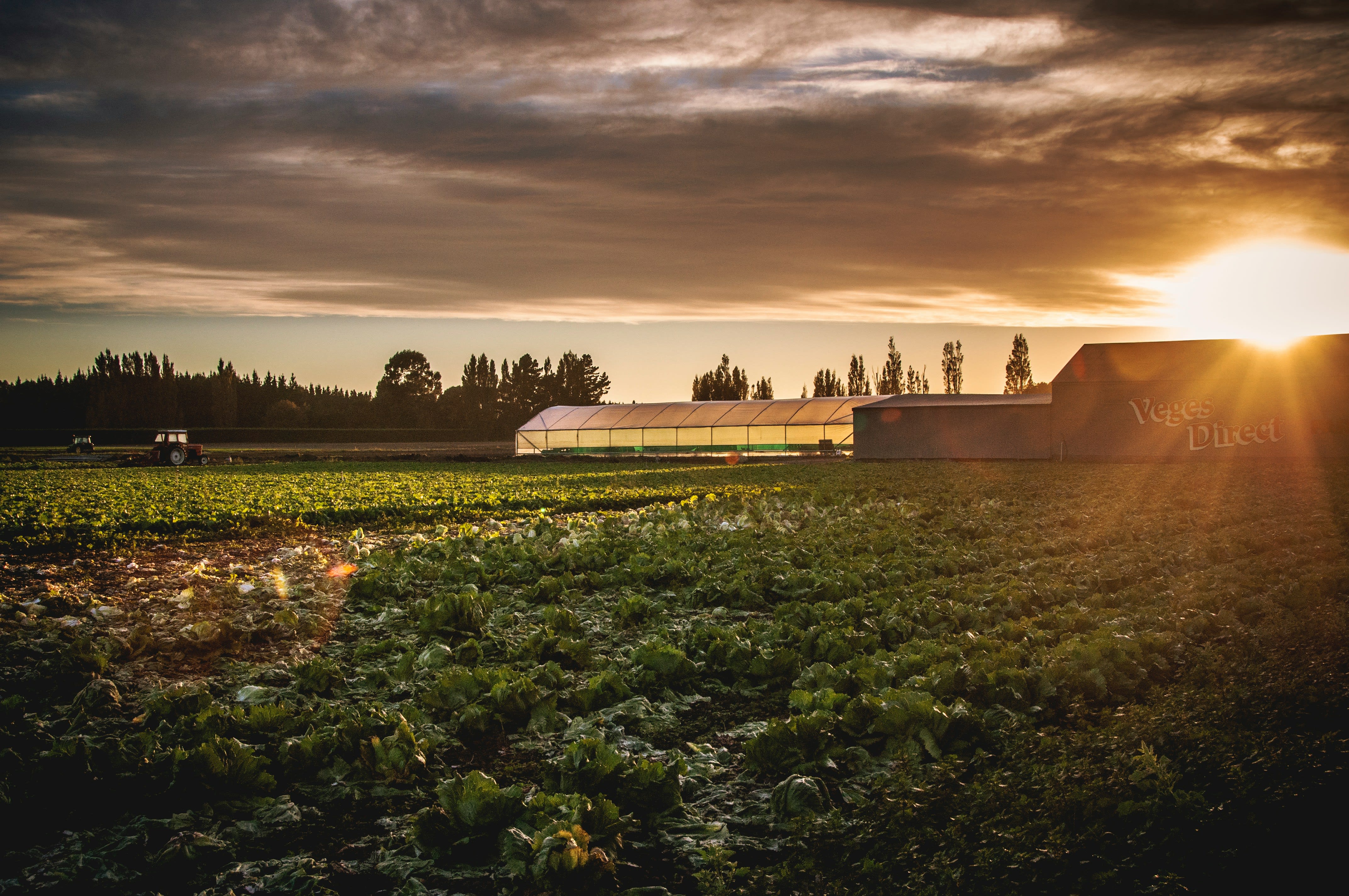
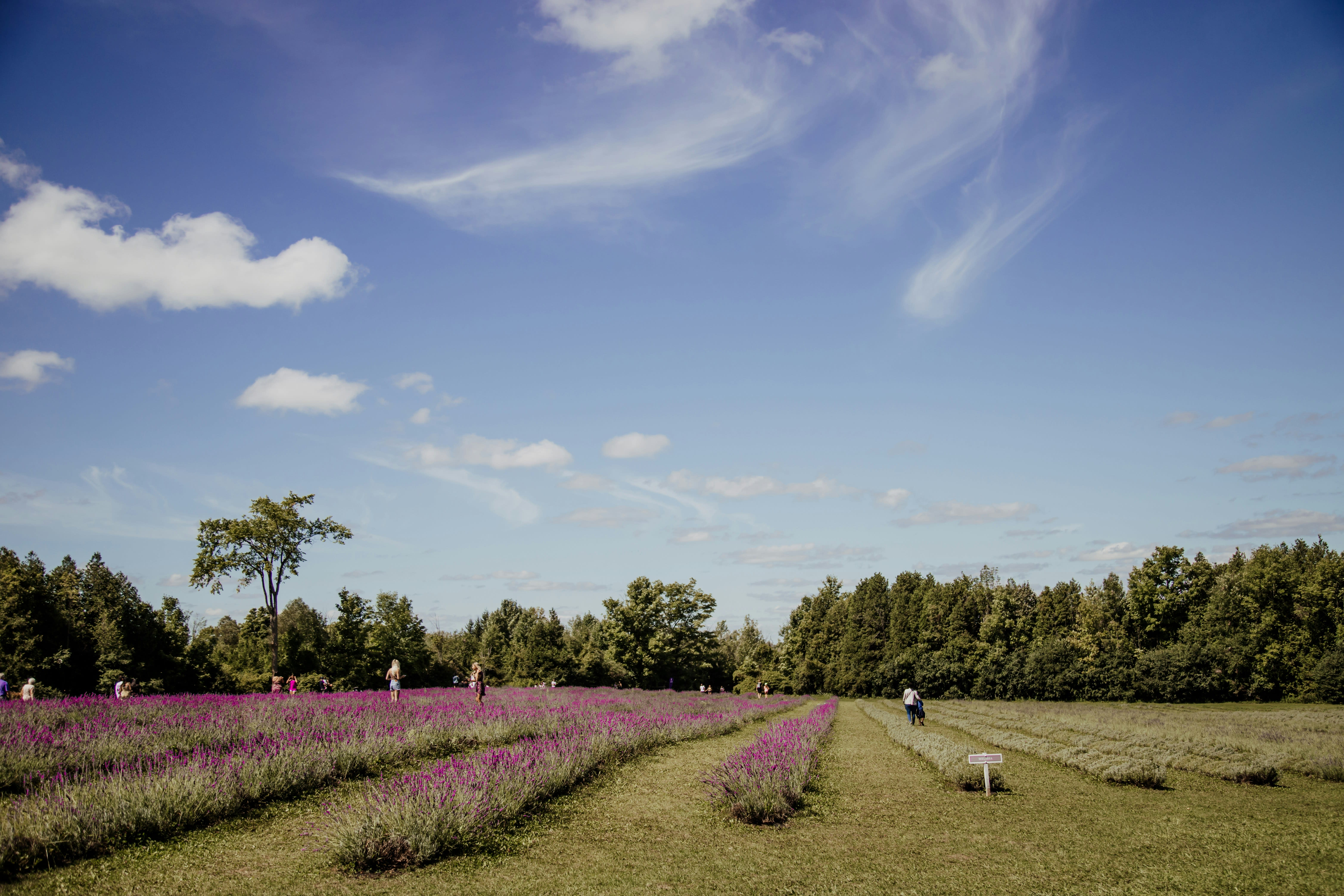
Gaia Herbs operates a working farm in Brevard, North Carolina, in the heart of Western Appalachia. Some of the botanicals they use, including milky wild oats, hawthorn, ginkgo, and bacopa monneiri are grown and harvested directly on that property. What makes this more than a branding story is that the quality control laboratory sits directly across the street. When pre-harvest hawthorn samples come back lower than expected on oligomeric procyanidins, the lab can flag it in real time and the farm manager can respond the same day. That feedback loop does not exist when you are buying commoditized extracts from a broker.
Gaia's lab holds ISO 17025 accreditation, which means their methods have been externally validated and they participate in proficiency testing programs where unknown samples are compared against consensus results from other accredited labs. For the TESTED by SuppCo certification, SuppCo anonymously purchased Gaia products the same way any consumer would, and sent them to an independent ISO 17025-accredited third-party laboratory for testing. The lab confirmed that the products tested matched their labels.
For products like Adrenal Daily, which contain multiple distinct extract types including supercritical extracts, hydro-ethanolic extracts, and fresh plant extracts, label accuracy is not a simple calculation. It requires method validation specific to the formulation, not just off-the-shelf USP protocols.
I sat down with Ido Dagan, Director of QC Laboratory and Technical Operations at Gaia Herbs, to dive deeper into the science.
JG: "Most consumers never think about where a supplement starts. For someone buying a Gaia product off a shelf, what does controlling the very first step in that process actually change?"
ID: "The first and most important thing you have to do when you receive any ingredient is demonstrate identity. What you received is actually what you ordered. But beyond that, not all echinacea is created equal, not all ashwagandha is created equal. So you have to test for the markers, and then there is the safety piece: pesticides, microbes, heavy metals. All of that has to happen before you can even consider using an ingredient. On top of that, because we grow some of our botanicals right here on the farm, we can harvest certain plants fresh and extract them immediately. Few others have that opportunity. If you do not extract milky wild oats right away, the chemical composition changes. It will ferment, compost, before you even get a chance to process it."
JG: "You mentioned you test for residual solvents below USP limits. Can you give me an example of a time that level of scrutiny actually caught something it should not have missed?"
ID: "We had a case where we were supposed to be buying a curcuminoid extract produced using only water and alcohol. That is a core principle for us. We do not use other solvents. So we tested it to levels stricter than the USP allows, and we found residual ethyl acetate. The vendor was buying an ethyl acetate extract and washing it with ethanol to make it look like an ethanol extract. If we had just run the standard USP method, we never would have caught it. We had to pivot to another vendor."
JG: "There was a well-documented adulteration issue in the ashwagandha category, where leaf material was being used to hit withaferin A targets. Did Gaia run into that?"
ID: "We called out a couple of vendors on it. What triggered our suspicion was that one of the peaks, the Withaferin A, was suspiciously high all of a sudden. Around the same time, there were bulletins in the industry flagging this issue. We added another channel to our assay that looks for flavonoids specific to the leaf, compounds that should not be present in a root-only extract. We were able to demonstrate that the vendor was supplementing their extract with leaf material, and we had to move on."
JG: "Your Adrenal Daily formula is one of the more complex things you produce. Walk me through what actually goes into it, because on paper it looks like a lot of other adaptogen formulas."
ID: "That product cannot really be replicated by looking at the ingredient list, and people have tried. There are two components that make it genuinely different. One is our fresh milky wild oat extract, which we produce in-house because no one else can do it. The other is the supercritical extract of holy basil. When you dry holy basil, you destroy most of the terpenes and essential oils. The supercritical extraction pulls those lipophilic, fat-soluble compounds out before they are lost. You cannot get those compounds from a dry extract. And you cannot encapsulate a supercritical extract in a standard tablet or powder capsule, so products that look like ours on paper are not delivering the same chemistry."
What the Farm Actually Tests: When Proximity to the Source Changes the Science
I came into this conversation with the skepticism I bring to most supplement brands that lead with their origin story. "We grow our own ingredients" is a claim that is easy to make and difficult to verify from the outside. What changed my read on Gaia was not the farm itself, but what Ido described happening in the lab because of the farm's proximity.
My background is in nutrition science, not analytical chemistry, but I have spent enough time reviewing supplement testing to recognize when someone is describing a real quality system versus a compliant one. A compliant system passes audits. A real quality system catches the curcumin vendor washing an ethyl acetate extract with ethanol, or detects ashwagandha adulteration by adding a secondary assay channel for leaf-specific flavonoids, or flags a hawthorn harvest before it reaches production because the pre-ship sample came back low on oligomeric procyanidins.
These are not examples of following a protocol. They are examples of a lab with enough institutional knowledge to know what anomalous data looks like.
That institutional depth is worth examining honestly. Ido mentioned that four people in the lab have been there more than 20 years, and three more for over 10 years. In an industry with high turnover and thin margins, this is unusual. He also acknowledged something that I found more credible than most claims a quality director would make in a brand interview: that their in-house method development sometimes helps third-party labs catch up, not the other way around. The milk thistle and berberine combination is a real example of a formulation where standard USP methods produce interference, and where having the ability to validate your own methods in-house meant understanding the problem before it could produce misleading results on a third-party report.
What remains open is the question of clinical translation. Gaia's philosophy, as Ido described it, is to honor traditional use patterns rather than chase isolated biomarker concentrations. That is a reasonable and defensible position for a botanical company, and I appreciate the intellectual honesty behind it. But it also means the efficacy evidence for many of their products, like most botanical products, rests more on historical use and in vitro data than on large randomized controlled trials. That is not disqualifying. It is an accurate description of where the science currently is for most of this ingredient category.
The farm-to-lab model is differentiated in one concrete way: it changes what is possible to catch, and when. Whether that translates to meaningfully better outcomes for the person taking the capsule is the question that the whole botanical industry is still working to answer. What I can say is that Gaia is asking the right questions on their end of it.