
Supplement News | The FDA Just Learned What Prohibition Already Taught Us

On July 23 and 24, an FDA advisory committee did something regulators rarely do: it recommended walking back its own restriction. The Pharmacy Compounding Advisory Committee (PCAC) voted to send six of seven once-banned peptides back toward legal compounding pharmacies, including BPC-157 and KPV, two of the most searched-for peptides in the wellness world.
BPC-157, KPV, and TB-500 each passed 8-6. MOTS-c passed 7-5. Semax passed 8-5. Epitalon passed 7-4. Only DSIP (also called emideltide) was voted down, 6-7.
None of this is final. But it's a meaningful signal, and (I think) it's a good one.
Banning peptides didn't just restrict access to a handful of compounds. It built the gray market everyone is now worried about.
What these seven peptides are supposed to do
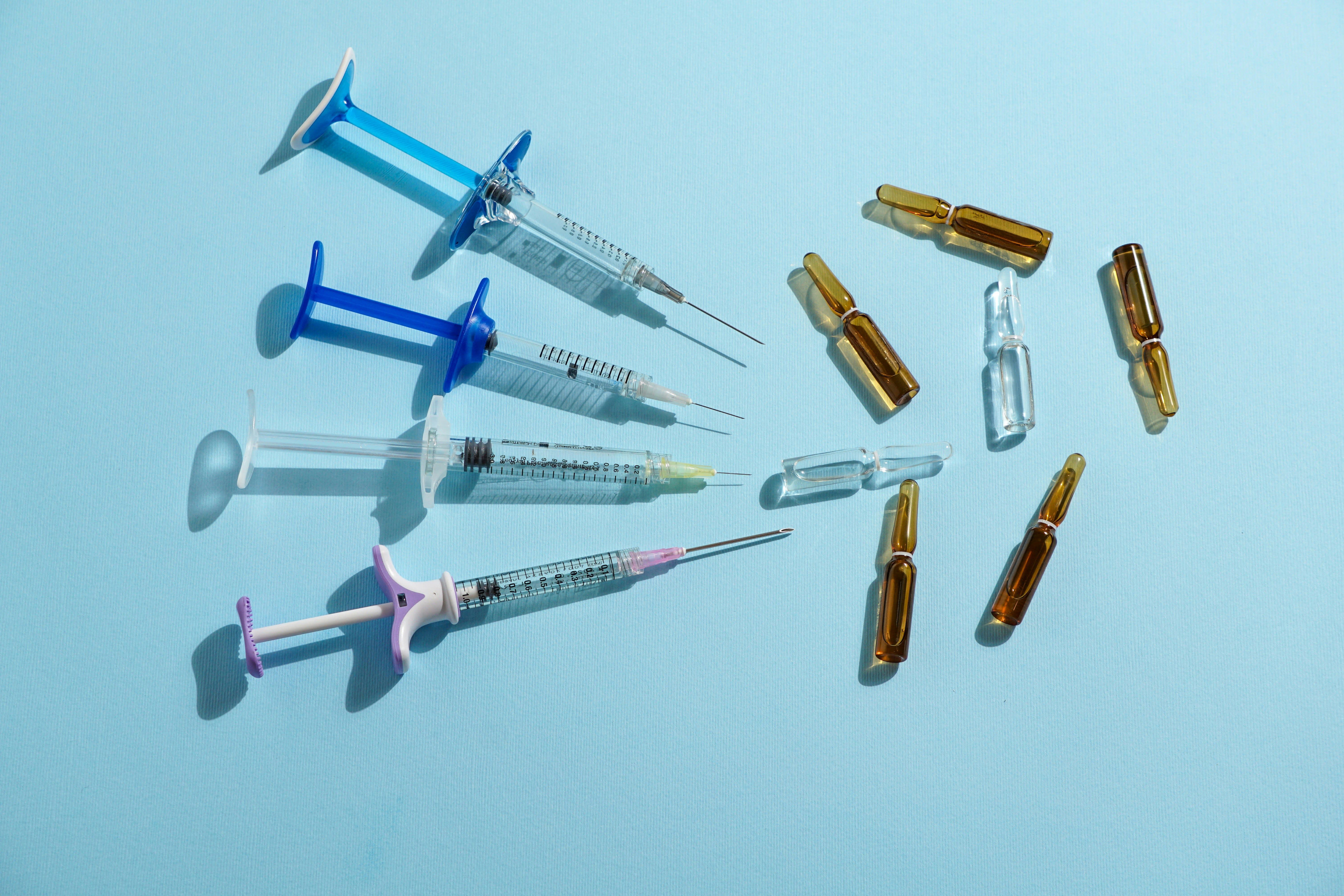
Before getting into the politics, it helps to know what's being reviewed:
BPC-157, part of "the *Wolverine stack": Derived from a protein found in stomach acid, it's most associated with gut healing and tendon or ligament repair. Human evidence is limited to a small handful of studies with fewer than 30 total subjects combined.
KPV: A fragment of a hormone your body already produces, studied for calming gut and skin inflammation. Most of the supporting data is from animal and lab research, not people.
TB-500: The other half of the *Wolverine stack. A synthetic version of a protein involved in wound healing, popular for general soft-tissue recovery after injury. Human safety data is minimal.
MOTS-c: A peptide made inside mitochondria, the energy-producing structures in your cells. Researchers are studying it for metabolic effects like insulin sensitivity and bone density.
Semax: Developed decades ago in Russia as a nasal spray for stroke recovery, now used off-label here for focus and cognitive performance. It has more human use history than most peptides on this list, just not in the U.S.
Epitalon: A lab-made peptide studied for effects on the pineal gland and sleep-wake cycles, marketed heavily around anti-aging and telomere claims. The human data doesn't support the longevity claims yet.
DSIP (emideltide), the one peptide the panel didn't recommend: Studied for inducing sleep and easing opioid withdrawal symptoms. Its 6-7 rejection is a useful reminder that this isn't a rubber stamp. Each peptide is being judged on its own evidence, not lumped in together as a single unit.
*The Wolverine stack pairs BPC-157 and TB-500, two peptides biohackers and bodybuilders combine in hopes of speeding up recovery from tendon, muscle, and gut injuries.
How we got here
In September 2023, the FDA moved more than a dozen commonly compounded peptides into Category 2 of its 503A Bulk Drug Substances List. Category 2 is reserved for substances with significant safety concerns, and the practical effect was immediate: licensed compounding pharmacies could no longer legally make these peptides for patients, even with a prescription.
The concern behind the ban was reasonable. Most of these peptides don't have FDA-approved drug status. Human safety data is sparse for several of them. Regulators didn't want compounding pharmacies mass-producing substances with unclear dosing, unclear long-term effects, and no standardized manufacturing process. That is an importat worry, and I don't think it should be waved away just because the outcome of the ban was bad.
But… The outcome of the ban was bad
Restricting the legal supply didn't reduce demand. It just shifted it elsewhere. In the same way that prohibition didn't stop alcohol use, people looking for peptides simply found different alternatives.
Restricting the legal supply didn't reduce demand. It moved it. Prohibition didn't stop people from drinking. It just moved liquor underground. Restricting BPC-157 and KPV worked the same way: patients who wanted BPC-157 for tendon and gut healing, or KPV for inflammation, didn't stop wanting it. They just found it somewhere else, "research use only" websites sourcing raw material from Chinese manufacturers, with no pharmacist involved, no purity testing requirement, and no one checking what's in the vial.
HHS Secretary Robert F. Kennedy Jr. has acknowledged the ban pushed people toward what he called a "black market" for peptides, arguing the FDA overstepped and left users with no legal alternative.
The numbers back that up. U.S. imports of peptide and hormone compounds from China roughly doubled in 2025, reaching $328 million in the first three quarters of the year, up from $164 million over the same stretch in 2024, according to customs data. Crypto payments to gray-market peptide sellers hit $32 million in the first quarter of 2026 alone, up over 150% from the previous quarter, according to blockchain analytics firm Chainalysis. Some of that money is going to the same Chinese chemical manufacturers who make fentanyl precursors. One analyst told Axios these companies pivoted into peptides because it's "a very lucrative scene that has widespread buy-in," with far less legal exposure than the fentanyl trade. Customs officers have noticed too: a single enforcement action at the Port of Cincinnati between December 2025 and March 2026 intercepted more than 5,000 individual peptide shipments from China, many mislabeled to avoid inspection.
This is where the story gets really interesting for me.
A policy aimed at protection ended up pushing people into further risk.
A ban aimed at protecting people from unregulated peptides pushed a huge number of them toward the least regulated version of those same peptides, and toward sellers with no accountability to anyone. The people most likely to keep using BPC-157 after 2023 weren't deterred. They just lost access to a pharmacist, a quality-controlled product, and any clinical oversight along the way.
Where I land on this
I've been consistent on this: peptides used the right way, with real oversight, are a promising tool. Not a miracle, not a shortcut, not even fully validated, but a tool. The problem was never that people wanted access to BPC-157. The problem was that the only path left open to them after 2023 was the least accountable one available.
Bringing these peptides back into 503A compounding doesn't mean anything goes. Compounding still requires a prescriber, a licensed pharmacy, and a controlled manufacturing process. That's (at least) a safer lane than an unmarked vial from an overseas research supplier. Given that people are going to use these compounds regardless of what the FDA decides, I'd rather they get them through a pharmacist than through a website with no name attached to it.
What isn't settled yet
At this point, the PCAC vote is still just a recommendation. The FDA isn't required to follow it, and even if the agency agrees, adding these peptides back to the Bulks List requires formal notice-and-comment rulemaking. That process typically takes more than a year.
What this means right now:
Nothing changes today. Compounding pharmacies still cannot legally produce BPC-157, KPV, or the others until the FDA formally acts on the recommendation.
The gray market isn't going away overnight. Expect it to persist through the rulemaking period, and probably beyond it for any peptide that doesn't make the final list.
This is a step toward accountability… not deregulation. Compounded peptides would still require a prescription and pharmacist oversight, which is the opposite of what the unregulated market offers.
We'll keep tracking this as the FDA moves toward a final decision.