
Can You Age Backwards? What the Evidence Says

"Age backwards" is the promise stamped on half the supplement aisle. So let's start with the honest answer: no, you can't run the clock in reverse...
But that's not the end of the story, because the picture inside your cells is more interesting. Every day your cells are supposed to recycle worn-out parts, clear out the damaged ones, and keep their mitochondria (power plants) running. As you age, these processes slow down. That slowdown is what most "anti-aging" supplements are really aiming at.
Most of them are noise. But a handful of compounds have started showing real signal, some of it in actual human trials.
Here are five worth your attention, grouped by what they're actually trying to do inside your cells.
We've flagged where the evidence is strong and where it's still early, because the gap between "promising in mice" and "proven in people" is important, and an area modern marketing often skims over.
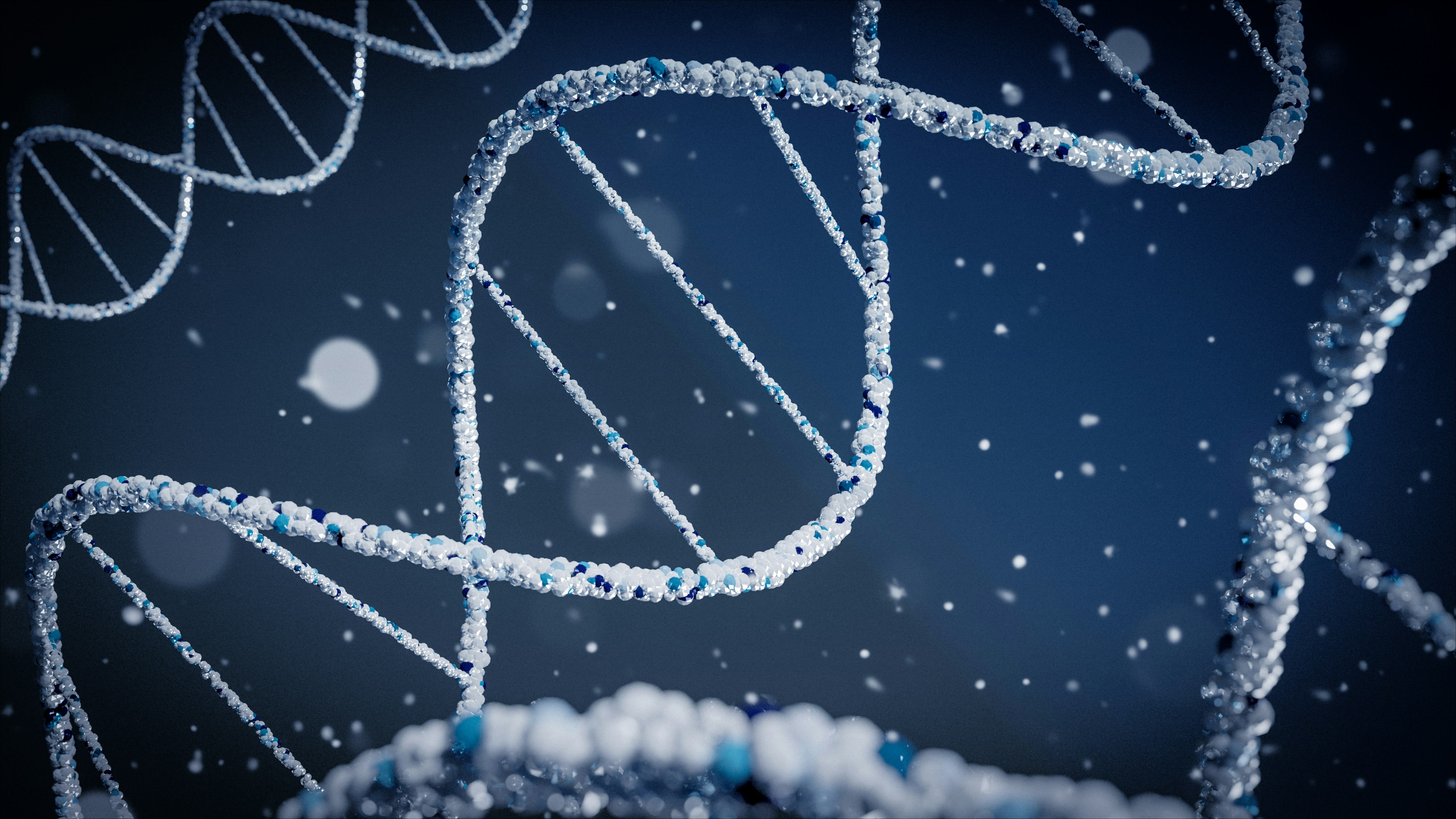
Recycle the worn-out parts
Two of the strongest stories this year are about cellular cleanup: getting your cells to digest and recycle damaged parts.
Urolithin A
Urolithin A is the one to know. First, the basics: mitochondria are the tiny power plants inside almost every cell, the parts that turn food and oxygen into usable energy. Over time some wear out and start leaking damaging molecules, like reactive oxygen species.
Urolithin A triggers a process called mitophagy.
Mitophagy is how a cell identifies mitochondria that are damaged or no longer working, breaks them down, and clears them out so the cell can replace them with functional ones. (The term combines "mitochondria" with "-phagy," meaning to consume.)
Keeping the supply of mitochondria healthy matters because they produce most of the cell's energy, and worn-out ones work less efficiently and leak harmful byproducts.
The headline finding: in a 2025 trial, four weeks of urolithin A rejuvenated the immune cells of healthy middle-aged adults. The standout effect was on T cells, the white blood cells that hunt down infections. It expanded the younger, less worn-out T cells and boosted their ability to burn fat for fuel, which is how those cells power themselves. That's the strongest human urolithin A data we've seen.
Dose studied: 1,000 mg/day for 4 weeks.
The catch: the trial was funded by the company that makes it, and it measured immune-cell markers, not whether people actually got sick less. Immune health is also a newer use for urolithin A. Its longer track record is in muscle, where the same mitochondrial cleanup was first pitched as a way to improve strength and endurance, so that is the other obvious place to look for a real-world payoff.
Spermidine
Spermidine comes at cleanup from a different angle: autophagy. Break the word apart and it tells you what it does. "Auto" means self and "phagy" means eating, so autophagy is the cell eating its own damaged parts and reusing the pieces as raw material.
Mitophagy is really just the version aimed at mitochondria; autophagy is the whole-cell cleanup crew. Spermidine helps switch it on. You already make spermidine in your body, and it shows up in foods like aged cheese, mushrooms, and wheat germ.
In a small 2026 pilot in healthy older adults, spermidine reversed several markers of immune-cell aging. It even improved the antibody response to a vaccine, specifically in the people whose immune systems had responded poorly the first time.
Antibodies are the proteins your body builds to recognize and deal with specific foreign substances, so a stronger response means better protection.
Dose studied: 6 mg/day for 13 weeks (a conservative, safety-guided dose).
The catch: it's a pilot, just 40 people, so it needs a bigger trial before anyone gets carried away. But it's the kind of result that makes researchers lean in.
Turn on the cell's own defenses
Sometimes the goal isn't to add something. It's to switch on the protection your cells already have.
Sulforaphane
Silforaphane is the compound behind broccoli sprouts' reputation, works on a protein called NRF2.
NRF2 is like a master switch: when it turns on, it tells your cells to make their own antioxidants. Antioxidants are molecules that neutralize free radicals, the unstable byproducts of normal metabolism that, left alone, chip away at cells over time. So sulforaphane doesn't hand your cells antioxidants. It tells them to build their own.
The neat 2026 finding: pairing sulforaphane with exercise raised NRF2 activity more than either did alone in older adults. If you're already training, it may amplify what you're doing.
Dose studied: about 220 micromoles (roughly 42 mg), one dose before exercise.
The catch: small study, and it measured cellular signaling, not long-term health. Promising adjunct, early data.
GlyNAC
GlyNAC is a combo of two building blocks, glycine and N-acetylcysteine. Your body uses them to make glutathione, which is the main antioxidant your cells produce in-house to mop up damage. Glutathione tends to run low with age, and the idea behind GlyNAC is to supply the raw materials so your cells can make more of it.
The research group behind it has reported gains in glutathione levels, mitochondrial function, and physical function in older adults. The mechanism is sound and the human signal is encouraging.
Dose studied: about 100 mg/kg/day each of glycine and NAC for 16 weeks (roughly 7 g of each for a 70 kg adult).
The catch: a lot of the strongest data comes from a single research group, and the most recent reports are conference presentations rather than full published papers. Watch the peer-reviewed follow-ups.

Build new mitochondria
PQQ
PQQ rounds out the list with a different job. The other compounds mostly clear out old or damaged parts. PQQ is linked to mitochondrial biogenesis, which is the cell's process for building brand-new mitochondria. So the pitch is less "clean the power plants" and more "build a few more of them."
Human data is thinner here. A 2026 trial tested "interoception," the nervous system's read on internal signals like heart rate, breathing, effort, and fatigue, in young trained men right after an exhausting treadmill run. Using a standard questionnaire, PQQ improved one specific dimension, called "body listening," the tendency to tune into those internal cues, more than placebo did.
A few caveats keep this small: it was a self-reported questionnaire rather than an objective measure, the participants were young athletes rather than a general or older population, and actual exercise capacity (VO2 max, time to exhaustion) didn't change.
The animal data is more dramatic. In a strain of mice bred to age unusually fast, PQQ given across life or starting in midlife preserved muscle strength and endurance, delayed age-related muscle loss, improved fat metabolism, slowed the visible signs of aging, and lowered the risk of dying in midlife. "Longer and healthier" mostly means that mix of staying stronger and more mobile while living somewhat longer.
Dose studied: 20 mg, one dose before exercise (about 20 mg/day in 12-week trials).
The catch: much of the most eye-catching longevity research is tied to the ingredient's own manufacturer, and the lifespan findings are in fast-aging mice rather than typical animals or people. Intriguing mechanism, early human evidence.
The bottom line
If you rank these by how solid the human evidence is right now, urolithin A and spermidine lead, sulforaphane and GlyNAC are credible defense-boosters, and PQQ is an exciting maybe.
What's clear is that the cellular-aging field has finally started producing real human trials instead of just petri-dish promises, which is worth getting excited about.
None of this is medical advice, and none of these compounds are approved to treat, cure, or prevent any disease. The science is moving fast, but "emerging" is the operative word. Talk to a clinician before adding anything, especially if you take medications or have a health condition.