
Supplement Guide | Berberine 04 | Dosing, Bioavailability, and Safety Guide

This is part 4 of SuppCo's 4-part Supplement Guide on berberine. The series covers the history and mechanism of the compound, the clinical evidence on blood sugar and metabolic health, lipid and cardiovascular data, and a practical guide to dosing, bioavailability, and safety.
To read part 1 in the series, click here.
To read part 2 in the series, click here.
To read part 3 in the series, click here.
Three doses a day. With meals. Cycled every eight weeks. And it interacts with several common medications. Berberine is effective, but it asks more of you than most supplements.
Parts 1 through 3 of this series covered what berberine is, how it works, and what the evidence shows on blood sugar, lipids, and cardiovascular risk. This article is the practical one. Everything you need to know before you put it in your body.
Understanding the evidence is step one. Knowing how to use it is what actually matters.
The Bioavailability Problem
Before you can understand why berberine requires a more deliberate approach than most supplements, you need to understand what happens to it after you swallow it.
Less than 1% of orally ingested berberine reaches circulation.
That is an extraordinarily low absorption rate for a compound with this much clinical evidence behind it. The fact that berberine produces measurable effects in trials despite near-negligible systemic absorption is a large part of what makes it scientifically interesting. Much of its metabolic activity likely occurs in the gut itself, through direct effects on gut microbiota and intestinal glucose metabolism, before systemic absorption even becomes relevant. But the bioavailability problem still matters practically, because can it shape how much you need to take, how you need to take it, and why the form you choose makes a real difference.
Solving the Absorption Problem
The supplement industry has developed several approaches to improve berberine's bioavailability. They are not equally supported by evidence, and they are not interchangeable.
Berberine hydrochloride is the standard form used in the vast majority of clinical trials, including every study cited in this series. Absorption is poor, with less than 1% reaching systemic circulation, but the evidence base built on this form is substantial. If you see "berberine" on a label without further qualification, this is almost guaranteed to be what you are getting. It works. The alternatives below are the supplement industry’s attempt to make it work better.
Dihydroberberine (DHB) is a reduced form of berberine that may make it easier to absorb through the intestinal wall. Once absorbed, it converts back to berberine. A randomized study found that 100 mg and 200 mg of DHB produced significantly greater plasma berberine concentrations than 500 mg of standard berberine. The caveat: this was a small pilot study in five healthy men, and the long-term efficacy data that exists for standard berberine does not yet exist for DHB at the same scale. On labels, you will see this as dihydroberberine or DHB.
Berberine phytosome complexes berberine with phospholipids, the same building blocks that make up cell membranes, improving both solubility and membrane permeability. A pharmacokinetic study in 12 healthy volunteers found berberine phytosome improved bioavailability approximately 4- to 6-fold compared to unformulated berberine, with significantly higher plasma concentrations observed from 30 to 45 minutes post-dose and no observed side effects. This has the most robust human data of any enhanced-absorption form. On labels, look for berberine phytosome, berberine phospholipid complex, or the trade name Berbevis.
Liposomal berberine encapsulates the compound in lipid spheres designed to protect it from digestive breakdown and improve intestinal uptake. The rationale is mechanistically sound and liposomal delivery is well-established for other compounds. Human clinical trial data specific to berberine is limited. It is a promising approach, but the evidence does not yet support the same confidence as phytosome or DHB. Worth watching as the research develops.
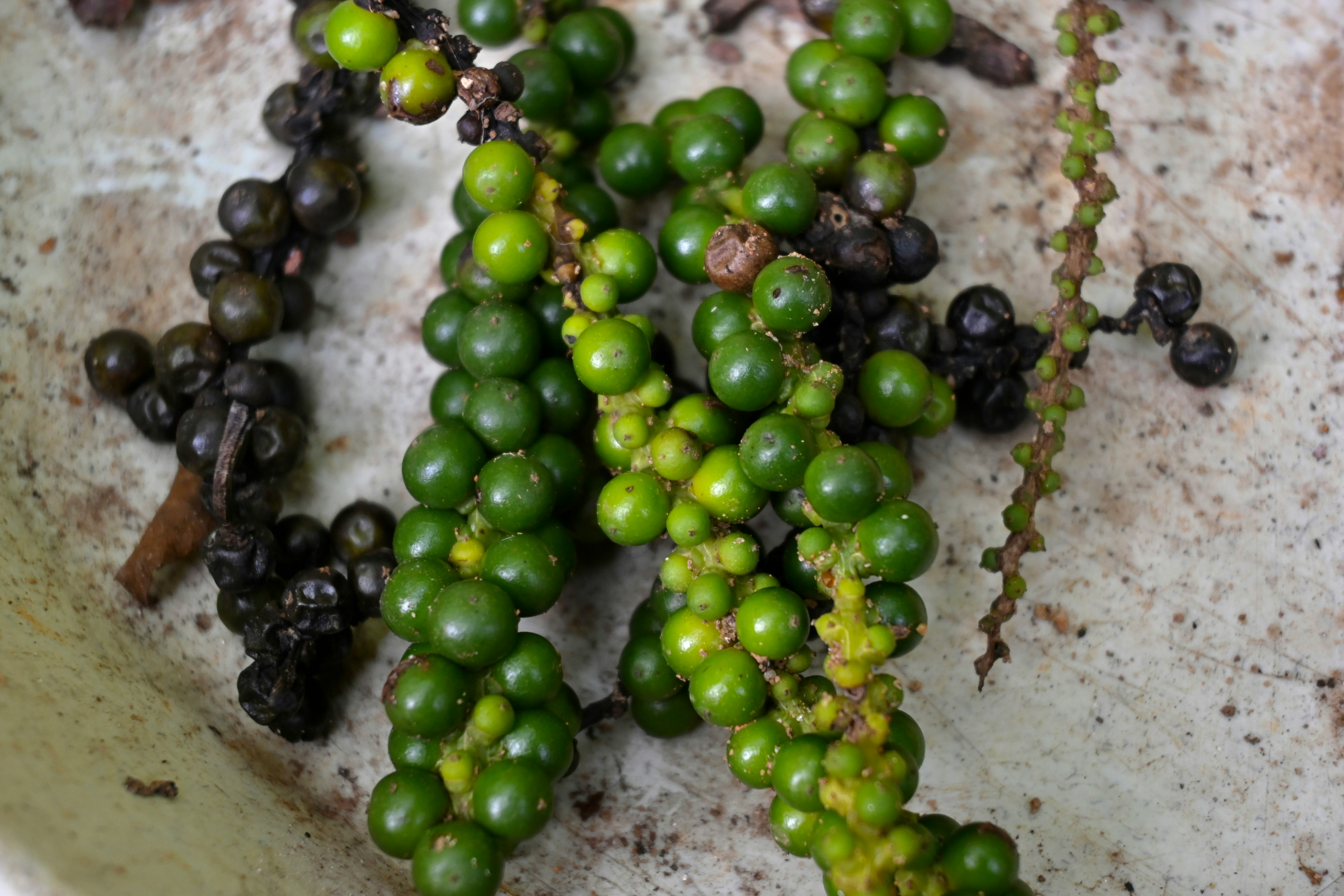
Piperine combinations pair berberine with piperine, the active compound in black pepper, which slows the breakdown of many supplements before absorption. The effect in many supplements is modest but it does help, and piperine is inexpensive, which is why it appears in many standard formulations. Black pepper’s ability to enhance absorption is well-documented in other compounds. Whether that effect translates meaningfully to berberine hasn't been studied closely enough to draw conclusions, but the mechanistic case is reasonable. Look for bioperine or piperine on the label.
Take home: standard berberine hydrochloride still works. The trials that built the evidence base used this form. Among the newer formulations designed to increase bioavailability, phytosome and DHB have the most human data behind them.
Dosing Protocol
The standard dosing protocol across the clinical trial literature is 500 mg taken three times daily with meals, for a total of 1,500 mg per day. That schedule matters more than the total dose alone.
Taking berberine with meals serves two purposes. First, it blunts the gastrointestinal side effects, primarily nausea, cramping, and loose stools, that occur at higher doses on an empty stomach. Second, it times the peak absorption to coincide with the postprandial glucose spike, which is when the glucose-lowering mechanism is most relevant.
Splitting doses across three meals, rather than taking a single large dose, may also improve the consistency of the effect. Berberine has a relatively short half-life. One large dose produces a peak and a trough. Three smaller doses can produce more stable coverage across the day.
If you are using a higher-bioavailability form such as DHB or phytosome, the dose range shifts. Based on the pharmacokinetic data, 100 to 200 mg of DHB three times daily produces plasma concentrations comparable to 500 mg of standard berberine. Start at the lower end and adjust based on response and tolerance.
Cycling
Most practitioners who work with berberine recommend cycling it rather than taking it continuously. The common protocol is eight weeks on, followed by four weeks off.
The cycling recommendation is based on mechanistic reasoning and clinical practice convention more than it is on long-term controlled trials comparing continuous versus cycled use. It is a reasonable precaution, not a proven protocol. What the evidence does clearly support is that the effects of berberine are use-dependent. Taking planned breaks is a sensible way to manage a compound with this level of biological activity.
However, berberine also has meaningful effects on gut microbiota composition, and extended continuous use without a break may disrupt microbial diversity in ways that are not yet fully understood.
Berberine is not a supplement you set and forget. It rewards attention to how you take it.
Drug Interactions
While this is a section many people skip, it is one worth reading carefully.
Berberine can inhibit a family of liver enzymes called CYP450, specifically CYP2D6, CYP2C9, and CYP3A4. These enzymes are responsible for metabolizing a large share of commonly prescribed medications. When berberine slows them down, affected drugs can stay in your system longer and at higher concentrations than intended. It can also inhibit P-glycoprotein, a transporter that helps clear drugs from the body, compounding the effect.
The combinations that carry the most risk:
Blood thinners such as warfarin, apixaban, and rivaroxaban. Berberine can elevate blood levels of these drugs and increase bleeding risk.
Diabetes medications including metformin, insulin, and sulfonylureas. Berberine lowers blood sugar on its own. Combined with glucose-lowering drugs, the additive effect can push blood sugar too low.
Immunosuppressants such as cyclosporine and tacrolimus. Berberine can increase their blood concentrations, which is a serious concern for patients using these medications.
Certain statins, specifically simvastatin and lovastatin. Rosuvastatin and pravastatin carry lower risk because they are less dependent on certain pathways.
If you are on any of these medications, talk to your prescribing clinician before starting berberine.
Who It May Be Suitable For (And Who Should Avoid It)
The data indicates berberine is best suited for adults managing metabolic dysfunction: elevated fasting glucose, insulin resistance, dyslipidemia, or metabolic syndrome. The evidence is most consistent in this population, the mechanism is well-matched to components of the underlying biology, and the benefit-to-risk profile seems to be reasonable at standard doses.
I take berberine. I track my own biomarkers closely enough to know it is doing something meaningful in my case. But I am also someone at low risk for significant drug interactions, with no history of liver disease, and with the ability to monitor my response over time.
People who should avoid berberine or consult a clinician before starting:
Anyone on anticoagulants, diabetes medications, immunosuppressants, or CYP450-dependent drugs
Anyone who is pregnant or breastfeeding. Early evidence suggests berberine may cause uterine contractions and increase the risk of complications. Avoid entirely.
Anyone with pre-existing liver disease, given berberine's hepatic metabolism and potential elevated liver enzymes at high doses
Anyone scheduled for surgery. Standard guidance recommends stopping herbal supplements including berberine two to three weeks before any procedure due to effects on blood clotting and blood sugar
Your Summary
Three doses a day. With food. For eight weeks at a time. In a form your body can absorb. Away from medications that share its metabolic pathways and specific contraindications.
That is more to manage than a vitamin D capsule. It is also a compound with a genuine mechanism, a substantial evidence base, and consistent effects on the metabolic markers that matter for long-term health. If the context is right and the protocol is followed, berberine earns its place in a serious supplement stack.
That is the full picture. Four articles, one compound, no shortcuts. Let me know your questions in the comments!