
Supplement Guide | Berberine 01 | Centuries Old. Decades Ignored. Now Everywhere.

This is part 1 of SuppCo's 4-part Supplement Guide on berberine. The series covers the history and mechanism of the compound, the clinical evidence on blood sugar and metabolic health, lipid and cardiovascular data, and a practical guide to dosing, bioavailability, and safety.
Over 55,000 SuppCo members take berberine. Many found it through hype. The real story is better.
Berberine works along the same core cellular pathway as metformin, one of the most prescribed and well-studied metabolic drugs in the world. That finding is what pulled me into this compound seriously enough to start taking it. And it's the right place to start, because understanding the mechanism is what separates a reasonable decision from a hype-driven one.
The question worth asking first is how a plant compound used for centuries to treat diarrhea ended up in serious metabolic research. And the answer starts a long way from any laboratory.
What Exactly is Berberine?
Berberine is an isoquinoline alkaloid, a class of nitrogen-containing compounds found mainly in plants. It's found primarily in the roots and bark of plants including Coptis chinensis (huang lian), Phellodendron amurense (huang bai), and various Berberis species. It has a distinctive yellow color, which is why several of the plants it comes from have been used as dyes as well as medicines.
As a supplement, it's typically sold as berberine hydrochloride, extracted from one of those plant sources and standardized to a particular concentration. A separate form, dihydroberberine, has emerged as an alternative with meaningfully different absorption characteristics. That distinction can have purchasing implications and we will talk more about that later.
A Remedy That Predates the Science
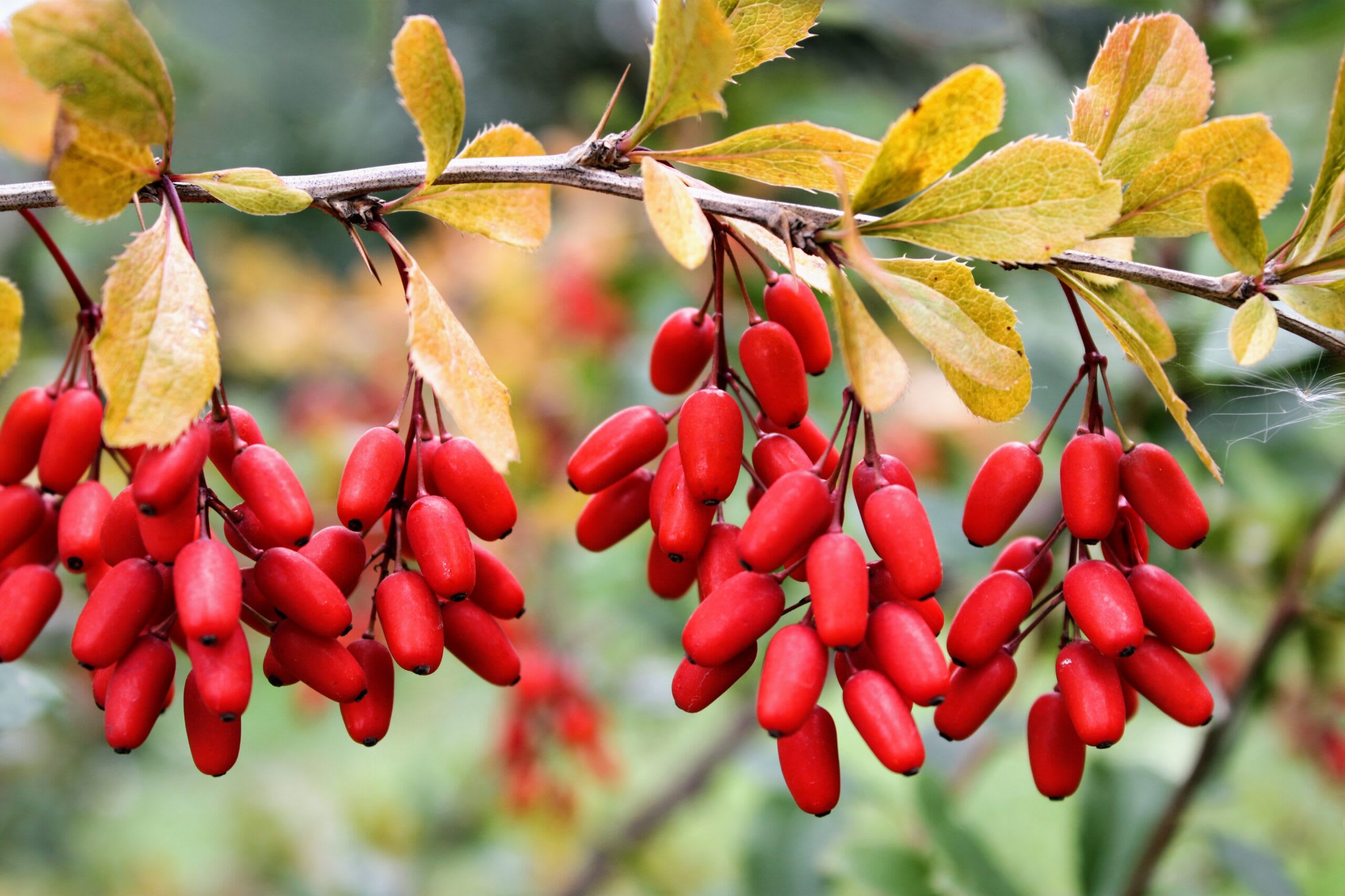
Berberine has been used in Traditional Chinese Medicine for centuries to treat diarrhea, infections, and a cluster of metabolic symptoms that would now be recognized as diabetes and its complications. In Ayurvedic practice, the plant families that contain berberine, primarily Berberis species, were similarly used to manage obesity and digestive disorders. Practitioners working thousands of years before modern biochemistry had, in effect, identified a potent metabolic compound. They just didn't know why it worked.
Western pharmacology largely ignored it. The assumption, explicit or not, was that traditional remedies were either placebo effects, poorly characterized mixtures, or at best, crude approximations of something a pharmaceutical company would eventually synthesize properly. Berberine sat in that category for decades: interesting, not taken seriously.
Then came the 2008 trial.
The Study That Changed the Conversation
In a randomized trial published in Metabolism, 36 adults with newly diagnosed type 2 diabetes were assigned to either berberine or metformin at 0.5 grams three times daily for three months. The glucose-lowering effect of berberine was comparable to metformin. Specifically, HbA1c dropped from 9.5% to 7.5%, fasting blood glucose fell from 10.6 to 6.9 mmol/L, and postprandial blood glucose dropped from 19.8 to 11.1 mmol/L in the berberine group.
For context: an HbA1c reduction of that magnitude is clinically significant. Metformin produced similar numbers in the same trial. It was a small trial, but not a small finding. A plant alkaloid that had been used for centuries to treat diarrhea was producing outcomes comparable to a first-line pharmaceutical drug in patients with diabetes.
The researchers were careful in their language. The internet, eventually, was not. We'll get to that in Part 2.
What the 2008 trial did was force a question: what is berberine actually doing at the cellular level?
A plant compound producing metformin-level results in a head-to-head trial was either a fluke or a signal. The mechanism suggests it was a signal.
AMPK: The Switch Berberine Throws
AMPK stands for AMP-activated protein kinase. It's an enzyme your cells use to sense their own energy status. When cells are running low on fuel, AMPK activates. When it activates, it triggers a cascade of metabolic responses designed to restore balance: it increases glucose uptake, improves insulin sensitivity, suppresses the liver's production of new glucose, and shifts the body toward burning fat rather than storing it.
Think of AMPK as a master metabolic regulator. Exercise activates it. Caloric restriction activates it. And, as researchers believe, both berberine and metformin activate AMPK by inhibiting mitochondrial respiratory complex I and elevating cellular AMP/ATP ratios. That shared mechanism is one reason the two compounds produce overlapping effects in clinical trials.
One important nuance: some research suggests berberine can promote glucose consumption even when AMPK activation is blocked, pointing to additional mechanisms, possibly involving mitochondrial inhibition more directly. The full picture is still being mapped. AMPK is the primary explanation in the literature, but likely not the complete one.
That mechanistic complexity is important. A compound that touches multiple pathways is not automatically better than one that touches one. It also carries more variables, more potential interactions, and more reasons to understand what you're taking before you take it. The dosing and safety implications of that complexity are what Part 4 of this series is built around.
Why One Pathway Touches So Many Systems
One reason berberine's effects may appear across blood sugar, cholesterol, blood pressure, and other metabolic markers comes down to how central AMPK is to overall metabolism. From a combination of human and animal studies, AMPK activation can influence lipid production in the liver, inflammatory signaling, and insulin sensitivity across multiple tissue types. Activating it doesn't seem to shift just one number on your labs. It may change the metabolic environment across several systems at once.
This is also why the research on berberine spans such a wide range of conditions. A compound that modulates a master regulator will show up in studies on blood glucose, lipids, cardiovascular markers, and conditions like PMOS and metabolic dysfunction-associated steatotic liver disease. Some of that evidence is strong. Some is early. Parts 2 and 3 will sort them clearly.
What matters here is that berberine's breadth appears mechanistically coherent. It's not a compound doing ten unrelated things. It's doing one fundamental thing, and that thing happens to matter across a wide range of metabolic processes.
At the end of the day, berberine is not exotic. It is not new. What is relatively new is the quality of evidence behind it, the mechanistic understanding of why it works, and the serious scientific attention it has received over the past two decades. The 2008 trial opened a door. A substantial body of research has come through it since. Part 2 takes on the most contested portion of that research: the metformin comparison, what the trials actually show, and where the wellness media got the story wrong.